• Email
  • Facebook
  • Instagram
  • Pinterest
share our JOY

JOY{filled}family

striving to radiate Him always

  • Home
  • Blog
  • Brown Scapular
  • Liturgical Calendars & Planners
  • Wellness
    • Essential Oils
    • Fitness
    • Nutrition
  • Homeschool
  • Sacraments
    • Baptism
    • First Communion
    • Confirmation

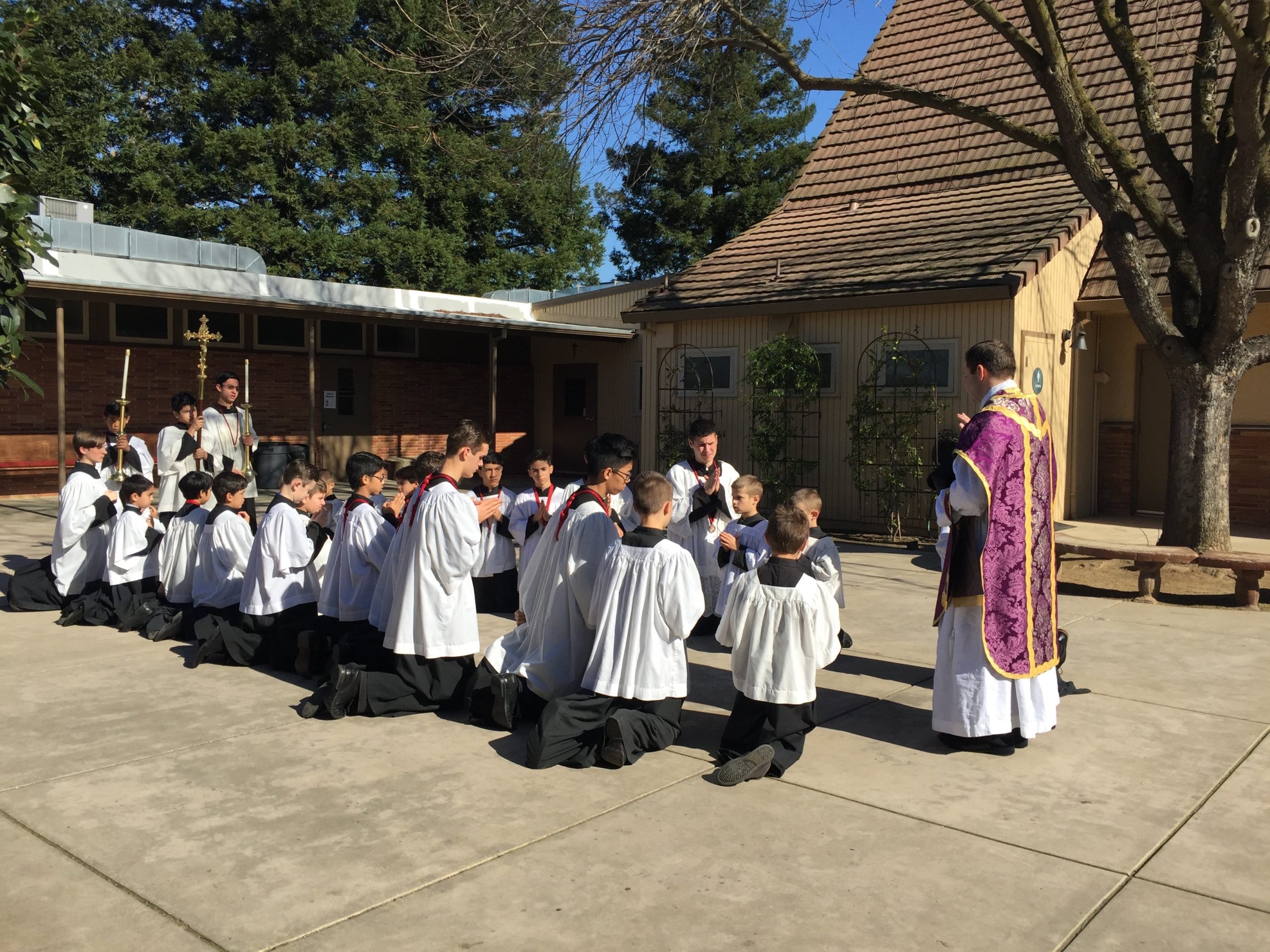
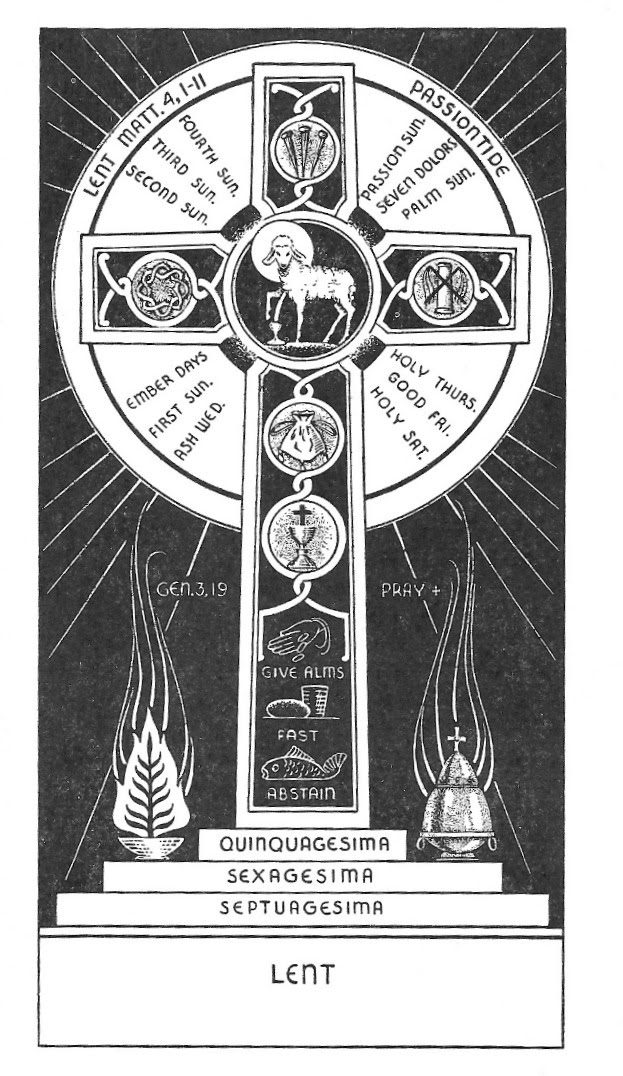
Season of Septuagesima

January 31, 2021 by Lena {JOYfilledfamily} Filed Under: Pre-Lent, Septuagesima Leave a Comment

Dom Guéranger offers the following instruction on Septuagesima.

SATURDAY BEFORE SEPTUAGESIMA SUNDAY

The calendar of the liturgical year will soon bring us to the commemoration of the Passion and Resurrection of our Redeemer; we are but nine weeks from these great solemnities. It is time for the Christian to be preparing his soul for a fresh visit from his Saviour; a visit even more sacred and more important than that He so mercifully paid us at His Birth.

Our holy mother the Church knows how necessary it is for her to rouse our hearts from their lethargy, and give them an active tendency towards the things of God…She takes the song of heaven away from us: she forbids our further uttering that Alleluia, which is so dear to us, as giving us a fellowship with the choirs of angels, who are for ever repeating it. 

How is it that we poor mortals, sinners, and exiles on earth, have dared to become so familiar with this hymn of a better land?

It is true, our Emmanuel, who established peace between God and men, brought it us from heaven on the glad night of His Birth; and we have had the courage to repeat it after the angels, and shall chant it with renewed enthusiasm when we reach our Easter.

But to sing the Alleluia worthily, we must have our hearts set on the country whence it came. It is not a mere word, nor a profane unmeaning melody; it is the song that recalls the land we are banished from, it is the sweet sigh of the soul longing to be at home.

The word Alleluia signifies praise God: but it says much more than this, and says it as no other word or words could. The Church is not going to interrupt her giving praise to God during these nine weeks. She will replace this heaven-lent word by a formula also expressive of praise: 

Laus tibi, Domine, Rex æternæ gloriæ! 

Praise be to Thee, O Lord, King of eternal glory! 

But this is the language of earth; whereas Alleluia was sent us from heaven. ‘…the word Alleluia has not been translated; it has been left in its original Hebrew, as a stranger to tell us that there is a joy in his native land, which could not dwell in ours: he has come among us to signify, rather than to express that joy.’

During this season of Septuagesima, we have to gain a clear knowledge of the miseries of our banishment, under pain of being left for ever in this tyrant Babylon. It was, therefore, necessary that we should be put on our guard against the allurements of our place of exile. It is with this view that the Church, taking pity on our blindness and our dangers, gives us this solemn warning. 

By taking from us our Alleluia, she virtually tells us that our lips must first be cleansed, before they again be permitted to utter this word of angels and saints; and that our hearts, defiled as they are by sin and attachment to earthly things, must be purified by repentance. 

She is going to put before our eyes the sad spectacle of the fall of our first parents, that dire event whence came all our woes, and our need of Redemption. This tender mother weeps over us, and would have us weep with her.

Let us, then, comply with the law she thus imposes upon us. If spiritual joy is thus taken away from us, what are we to think of the frivolous amusements of the world? 

And if vanities and follies are insults to the spirit of Septuagesima, would not sin be an intolerable outrage on that same spirit? We have been too long the slaves of this tyrant. 

Our Saviour is soon to appear, bearing His cross; and His sacrifice is to restore fallen man to all his rights. Surely, we can never allow that precious Blood to fall uselessly on our souls, as the morning dew that rains on the parched sands of a desert! 

Let us with humble hearts confess that we are sinners, and, like the publican of the Gospel, who dared not so much as to raise up his eyes, let us acknowledge that it is only right that we should be forbidden, at least for a few weeks, those divine songs of joy, with which our guilty lips had become too familiar; and that we should interrupt those sentiments of presumptuous confidence which prevented our hearts from having the holy fear of God.

That indifference for the liturgy of the Church, which is the strongest indication of a weak faith, and which now reigns so universally in the world, is the reason why so many, even practical Catholics, can witness this yearly suspension of the Alleluia, without profiting by the lesson it conveys. A passing remark, or a chance thought, is the most they give to it, for they care for no other devotions but such as are private; the spirit of the Church, in her various seasons, is quite beneath their notice. If these lines should meet their eye, we would beg of them to reflect for a moment that the Church is their mother; that her authority is the highest on earth; that her wisdom enables her to know what is best for her children. Why, then, keep aloof from her spirit, as though there were some other to be found, that could better lead them to their God? Why be indifferent in this present instance? Why deem of no interest to piety this suspension of the Alleluia, which she, the Church, considers as one of the principal and most solemn incidents in her liturgical year? Perhaps we shall be doing them a service, by showing them how keenly this interruption of the word of heavenly joy was felt by the Christians of those ages, when faith was the grand ruling principle, not only with society at large, but with each individual.

The farewell to Alleluia, in the Middle Ages, varied in the different Churches. Here, it was an affectionate enthusiasm, speaking the beauty of the celestial word; there, it was a heart-felt regret at the departure of the much-loved companion of all their prayers.

SEPTUAGESIMA SUNDAY

The holy Church calls us together to-day in order that we may hear from her lips the sad history of the fall of our first parents. This awful event implies the Passion and cruel Death of the Son of God made Man, who has mercifully taken upon Himself to expiate this and every subsequent sin committed by Adam and us his children. It is of the utmost importance that we should understand the greatness of the remedy; we must, therefore, consider the grievousness of the wound inflicted. For this purpose, we will spend the present week in meditating on the nature and consequences of the sin of our first parents.

Formerly, the Church used to read in her Matins of to-day that passage of the Book of Genesis, where Moses relates to all future generations, but in words of most impressive and sublime simplicity, how the first sin was brought into the world. In the present form of the liturgy, the reading of this history of the fall is deferred till Wednesday, and the preceding days give us the account of the six days of creation. We will anticipate the great instruction, and begin it at once, inasmuch as it forms the basis of the whole week’s teaching.

Are you a courageous soul?

January 29, 2021 by Lena {JOYfilledfamily} Filed Under: Martyr, St. Joseph Leave a Comment

Have you ever lost a child? 

Jan. 2021 – road trip to property to dream and knock on doors to seek His will.

We had a major scare just a few months back.  I’m not sure if I’ll ever share the story publicly. But I will say this, it makes meditating on the Fifth Joyful Mystery (Finding of Jesus in Temple) more intimate for me in a way that that I never imagined.  

I’m drawn deeper into the possibility that I must fully embrace the cross, even if it is to lose one of my children as they seek the will of God.  I can’t ever imagine being fully prepared for that moment (again) but I will pray for that grace and wisdom to know when to fully let go.

I seek the guidance of St. Joseph, Our Blessed Mother, holy men & women who share profound truth, and the saints. 

Jacques-Bénigne Bossuet is one of those holy men. He speaks to St. Joseph’s worry when Jesus was lost in the temple:

“Another strange trial. As if it were not enough for men to torment Joseph, Jesus Himself became his persecutor. He cleverly slipped through his fingers and remained lost for three days.

What have you done, faithful Joseph? What has become of the sacred treasure the heavenly Father entrusted to you? If you have not yet understood Joseph’s fatherhood, see his suffering now and understand that he is a father. His regret proves it, and Mary was right to say: “Your father and I have sought You with great sorrow.” O my Son, she said to the Savior, I do not fear to call him Your father here, and I know this does not injure the purity of Your birth. We are speaking of cares and worries; that is why I can say he is Your father: because his worries are truly paternal.

See with what suffering Jesus tries fidelity, and how He wishes to be only with those who suffer. He seeks out the strong and courageous souls who do not refuse to carry His cross, who do not blush to be the companions of His poverty and misery.”

Jacques-Bénigne Bossuet

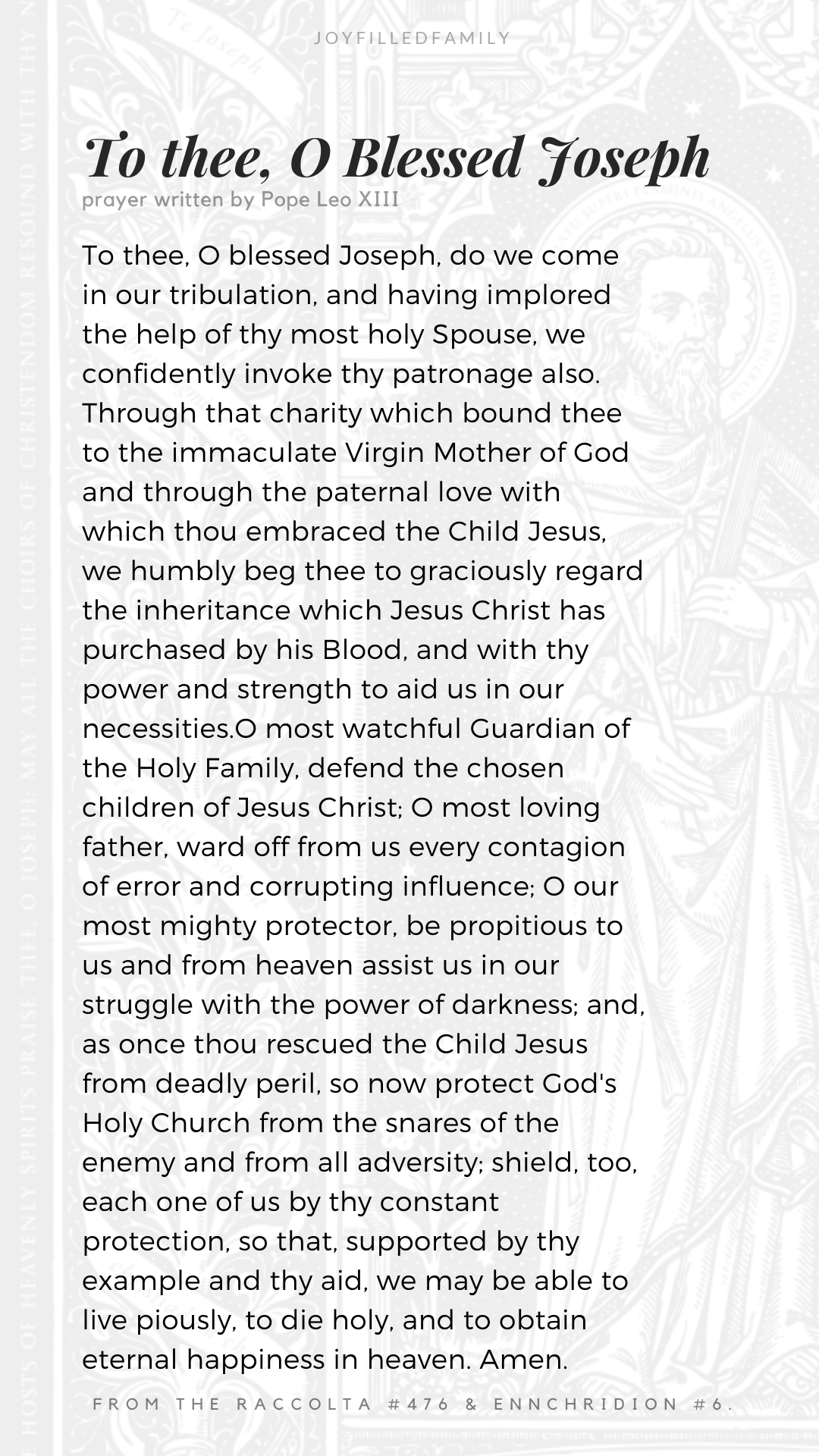
Pope Leo XIII  offers us a glorious prayer, To thee, O Blessed Joseph:

To thee, O blessed Joseph, do we come in our tribulation, and having implored the help of thy most holy Spouse, we confidently invoke thy patronage also. Through that charity which bound thee to the immaculate Virgin Mother of God and through the paternal love with which thou embraced the Child Jesus, we humbly beg thee to graciously regard the inheritance which Jesus Christ has purchased by his Blood, and with thy power and strength to aid us in our necessities.

O most watchful Guardian of the Holy Family, defend the chosen children of Jesus Christ; O most loving father, ward off from us every contagion of error and corrupting influence; O our most mighty protector, be propitious to us and from heaven assist us in our struggle with the power of darkness; and, as once thou rescued the Child Jesus from deadly peril, so now protect God’s Holy Church from the snares of the enemy and from all adversity; shield, too, each one of us by thy constant protection, so that, supported by thy example and thy aid, we may be able to live piously, to die holy, and to obtain eternal happiness in heaven. Amen.

From the Raccolta #476 & Enchridion #6

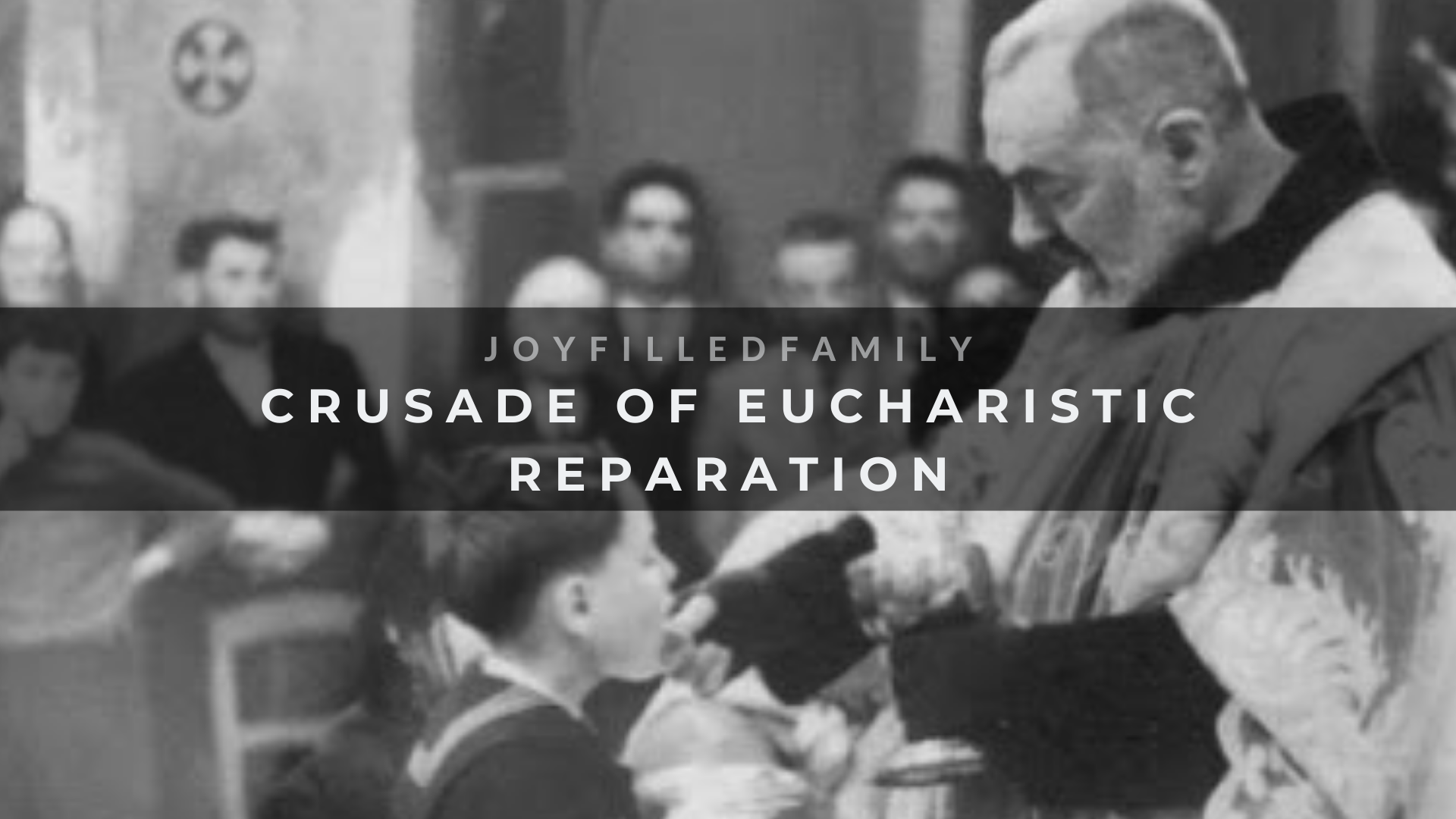
Crusade of Eucharistic Reparation

January 27, 2021 by Lena {JOYfilledfamily} Filed Under: Bishop Athanasius Schneider, Crusade, Libertas Leave a Comment

Will you join us!

Bishop Athanasius Schneider called for this crusade in July 2020. Michael Matt of the Remnant featured it then and reshares it now to help in the New Year as we begin to face more challenges.

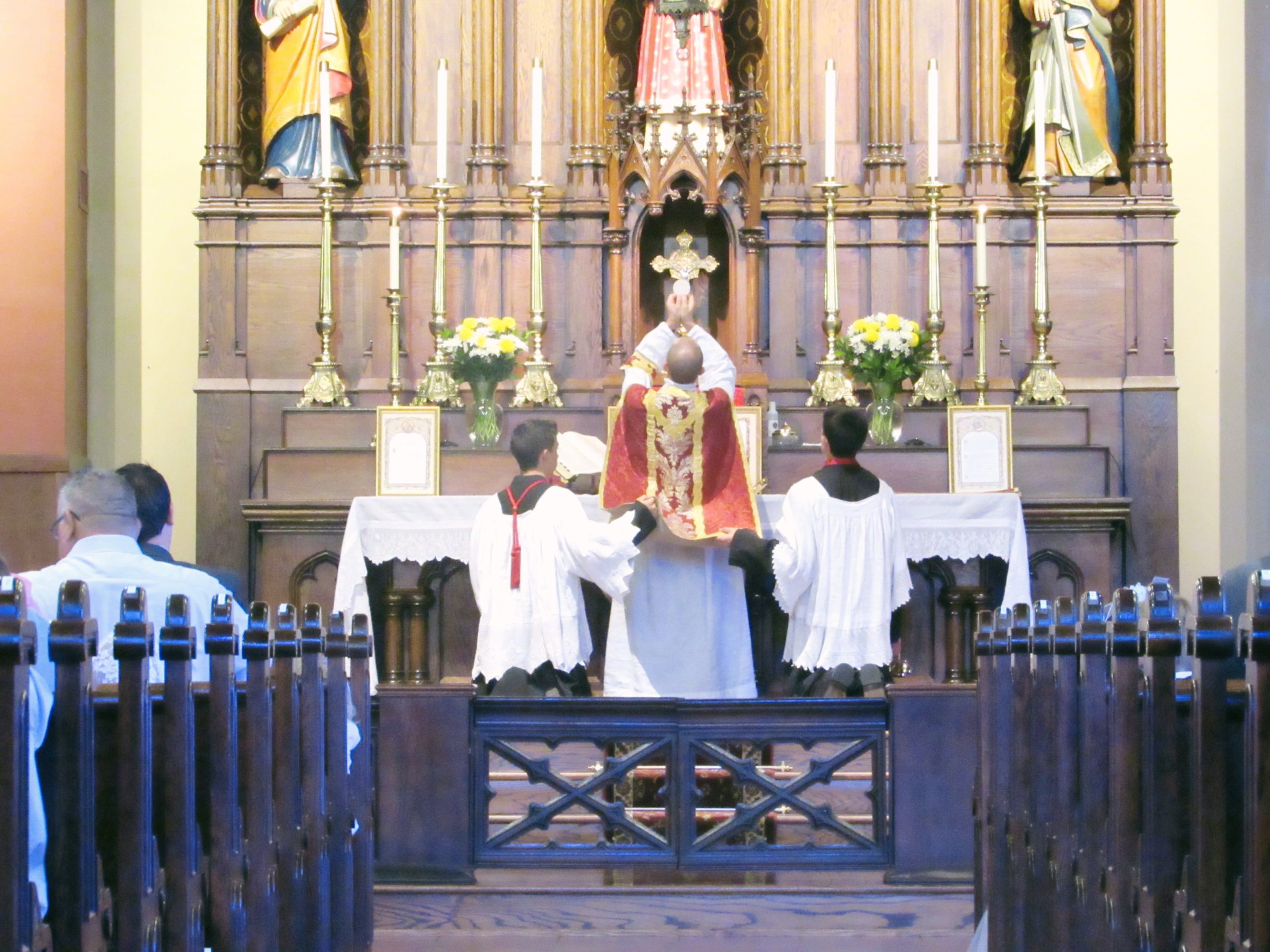
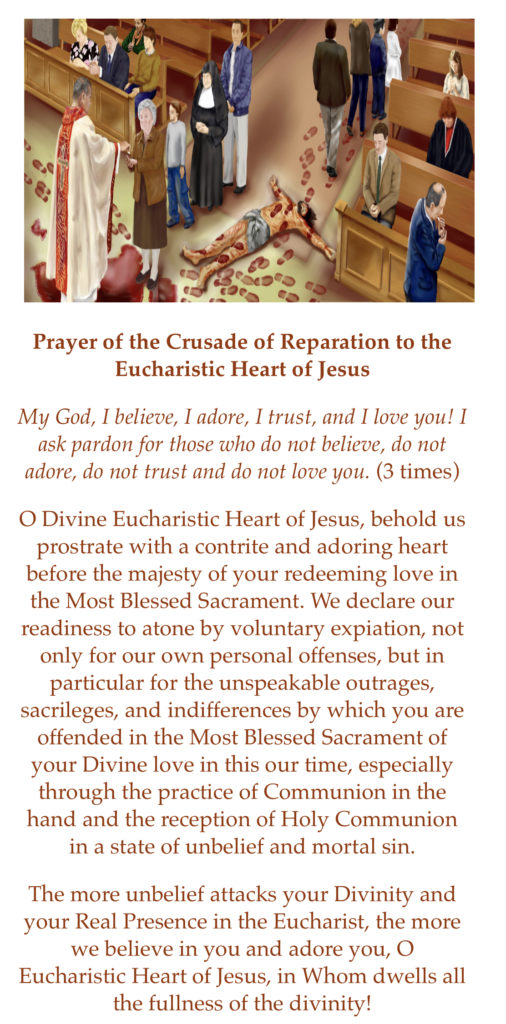
“There has never been in the history of the Church a time, where the sacrament of the Eucharist has been abused and outraged to such an alarming and grievous extent as in the past five decades, especially since the official introduction and Papal approval in 1969 of the practice of Communion in the hand. These abuses are aggravated, furthermore, by the widespread practice in many countries of faithful who, not having received the sacrament of Penance for many years, nevertheless regularly receive Holy Communion.

The height of the abuses of the Holy Eucharist is seen in the admittance to Holy Communion of couples who are living in a public and objective state of adultery, violating thereby their indissoluble valid sacramental marriage bonds, as in the case of the so-called “divorced and remarried”, such admittance being in some regions officially legalized by specific norms, and, in the case of the Buenos Aires region in Argentina, norms even approved by the Pope. Additionally to these abuses comes the practice of an official admittance of Protestant spouses in mixed marriages to Holy Communion, e.g., in some dioceses in Germany.

To say that the Lord is not suffering because of the outrages committed against Him in the sacrament of the Holy Eucharist can lead to a minimizing of the great atrocities committed. Some people say: God is offended by the abuse of the Blessed Sacrament, but the Lord does not personally suffer. This is, however, theologically and spiritually too narrow a view.

Although Christ is now in His glorious state and hence no more subject to suffering in a human way, He nevertheless is affected and touched in His Sacred Heart by the abuses and outrages against the Divine majesty and the immensity of His Love in the Blessed Sacrament…

God grant that through the Eucharistic crusade of reparation, there may increase the number of adorers, lovers, defenders, and consolers of the Eucharistic Lord….”

We promise to receive Our Lord on our tongue, from a priest and on our knees — now and forever, and for the rest of our lives!

“In the current so-called “C… Pandemic Emergency,” horrible abuses of the Most Blessed Sacrament have increased still more. Many dioceses around the world mandated Communion in the hand, and in those places the clergy, in an often humiliating manner, deny the faithful the possibility to receive the Lord kneeling and on the tongue, thus demonstrating a deplorable clericalism and exhibiting the behavior of rigid neo-Pelagians.

Furthermore, in some places the adorable Eucharistic Body of Christ is distributed by the clergy and received by the faithful with household or disposable gloves. The treating of the Blessed Sacrament with gloves suitable for treating garbage is an unspeakable Eucharistic abuse.

In view of the horrible maltreatments of Our Eucharistic Lord—He being continuously trampled under foot because of Communion in the hand, during which almost always little fragments of the host fall on the floor; He being treated in a minimalistic manner, deprived of sacredness, like a cookie, or treated like garbage by the use of household gloves—no true Catholic bishop, priest or lay faithful can remain indifferent and simply stand by and watch.

There must be initiated a world-wide crusade of reparation to and consolation of the Eucharistic Lord…

The day when, in all the churches of the Catholic world, the faithful will receive the Eucharistic Lord, veiled under the species of the little sacred host, with true faith and a pure heart, in the biblical gesture of adoration (proskynesis), that is, kneeling, and in the attitude of a child, opening the mouth and allowing oneself to be fed by Christ Himself in the spirit of humility, then undoubtedly will the authentic spiritual springtime of the Church come closer. The Church will grow in the purity of the Catholic Faith, in the missionary zeal of salvation of souls, and in the holiness of the clergy and the faithful. In deed, the Lord will visit His Church with His graces to the extent that we venerate Him in His ineffable sacrament of love (sic nos Tu visita, sicut Te colimus).” – Bishop Athanasius Schneider

ADORAMUS TE, CHRISTE: Bishop Schneider Calls for COVID-Abuse Reparation Crusade, Athanasius Schneider
Click HERE to print the full prayer or Visit the link above for the full prayer by Bishop Schneider

Third Sunday After Epiphany

January 24, 2021 by Lena {JOYfilledfamily} Filed Under: 01 January, Epiphany, Third Sunday After Epiphany Leave a Comment


Today is the Third Sunday After Epiphany – The First Public Miracle of Our Lord

The Third, Fourth, Fifth and Sixth Sundays after Epiphany have the same Introit, Gradual, Offertory and Communion which testify to our Lord’s divinity, to the fact that He worked miracles, and to the worship that we owe Him.

Below is instruction on today’s readings from Fr. Leonard Goffine.

Introit: Adorate Deum omnes Angeli ejus

INTROIT Adore God, all ye His angels: Sion heard, and was glad; and the daughters of Juda rejoiced. The Lord hath reigned; let the earth rejoice; let the many islands be glad. (Ps. XCVI. 1.) Glory be to the Father, etc.

COLLECT Almighty everlasting God, mercifully look upon our infirmity, and stretch forth the right hand of Thy majesty for our protection. Through etc.

Gradual: Timebunt gentes

EPISTLE (Rom. XII. 16-21.) Brethren, be not wise in your own conceits. To no man rendering evil for evil: providing good things not only in the sight of God, but also in the sight of all men. If it be possible, as much as is in you, having peace with all men; not revenging yourselves, my dearly beloved but give place unto wrath; for it is written: Revenge is mine; I will repay, saith the Lord. But if thy enemy be hungry, give him to eat; if he thirst, give him to drink; for doing this, thou shalt heap coals of fire upon his head. Be not overcome by evil, but overcome evil by good.

When are we overcome by evil?

When we wish to take revenge. “Revenge is no sign of courage,” says St. Ambrose, “but rather of weakness and cowardice. As it is the sign of a very weak stomach to be unable to digest food, so it is the mark of a very weak mind to be unable to bear a harsh word.” “Are you impatient,” says the same saint, “you are overcome; are you patient, you have overcome.”

What should we do if our reputation is injured?

We should leave its revenge, or its defence and protection to God, who has retained that for Himself. “But as a good name,” says St. Francis de Sales, “is the main support of human society, and as without it we could not be useful to that society, but even hurtful to it on account of scandal, we should feel bound, for love of our neighbor, to aim after a good reputation, and to preserve it.” We should not be too sensitive about this, however, for too great a sensitiveness makes one obstinate, eccentric, and intolerable, and only tends to excite and increase the malice of the detractors. The silence and contempt with which we meet a slander or an injustice, is generally a more efficacious antidote than sensitiveness, anger, or revenge.

The contempt of a slander at once disperses it, but anger shows a weakness, and gives the accusation an appearance of probability. If this does not suffice, and the slander continues, let us persevere in humility and lay our honor and our soul into the hands of God, according to the admonitions of the Apostle.

How do we “heap coals of fire on the head of our enemy?”

When we return him good for evil, for seeing our well meaning towards him, the flush of shame reddens his face for the wrongs he has done us. St. Augustine explains these words thus: “By giving food and drink or doing other kindnesses to your enemy, you will heap coals, not of anger, but of love, upon his head, which will inflame him to return love for love.” Learn therefore, from the example of Christ and His saints, not to allow yourself to be overcome by evil, but do good to those that hate and persecute you.

ASPIRATION Ah, that I might, according to the words of St. Paul, so live that I may be a child of the Heavenly Father, who lets His sun shine on the just and the unjust!


Alleluia: Dominus regnavit exsultet terra

GOSPEL (Matt. VIII. 1-13.) At that time, when Jesus was come down from the mountain, great multitudes followed him; and behold, a leper came and adored him, saying: Lord, if thou wilt, thou canst make me clean. And Jesus, stretching forth his hand,  touched him, saying: I will, be thou made clean. And forthwith his leprosy was cleansed. And Jesus saith to him, See thou tell no man: but go, show thyself to the priest, and offer the gift which Moses commanded for a testimony unto them. And when he had entered into Capharnaum, there came to him a centurion, beseeching him, and saying: Lord, my servant lieth at home sick of the palsy, and is grievously tormented. And Jesus saith to him: I will come and heal him. And the centurion making answer, said: Lord, I am not worthy that thou shouldst enter under my roof; but only say the word, and my servant shall be healed. For I also am a man subject to authority, having under me soldiers; and I say to this man: Go, and he goeth; and to another: Come, and he cometh; and to my servant: Do this, and he doeth it. And Jesus hearing this, marvelled; and said to them that followed him: Amen I say to you, I have not found so great faith in Israel. And I sad to you that many shall come from the east and the west, and shall sit down with Abraham, Isaac, and Jacob in the kingdom of heaven; but the children of the kingdom shall be cast into the exterior darkness: there shall be weeping and gnashing of teeth. And Jesus said to the centurion: Go, and as thou hast believed, so be it done to thee; and the servant was healed at the same hour.

Why did the leper say: “Lord, if Thou wilt, Thou canst make me clean”?

He believed Christ to be the promised Messiah, who as true God had the power to heal him. From this we learn to have confidence in the omnipotence of God, who is a helper in all need, (Ps. CVI. 6. 73. 19.) and to leave all to the will of God, saying: Lord, if it be pleasing to Thee, and well for me, grant my petition.

Why did Jesus stretch forth His hand and touch the leper?

To show that He was not subject to the law which forbade the touching of a leper through fear of infection, which could not affect Jesus; to reveal the health-giving, curative power of His flesh, which dispelled leprosy by the simple touch of His hand; to give us an example of humility and of love for the poor sick, that we may learn from Him to have no aversion to the infirm, but lovingly to assist the unfortunate sick for the sake of Jesus who took upon Himself the leprosy of our sins. The saints have faithfully imitated Him in their tender care for those suffering from the most disgusting diseases. Oh, how hard it will be for those to stand before the Tribunal of God at the Last Day, who cannot even bear to look at the poor and sick!

Why did Christ command the leper to tell no man?

To instruct us that we should not make known our good works in order to obtain frivolous praise, (Matt. VI 1.) which deprives us of our heavenly reward.

Why did Christ send the healed leper to the Priest?

That he might observe the law which required all the healed lepers to show themselves to the priests, to offer a sacrifice, to be examined and pronounced clean: that the priest if he beheld the miracle of the sudden cure of the leper, might know Him who had wrought the cure, to be the Messiah; and finally, to teach us that we must honor the priests because of their high position, even when they do not live in a manner worthy of their dignity, as was the case with the Jewish priests.

What it taught by the centurion’s solicitude for his servant?

That masters should take care of their sick servants, see that they are attended to in their illness, and above all that they are provided with the Sacraments. It is unchristian, even cruel and barbarous, to drive from the house a poor, sick servant, or to leave him lying in his distress without assistance or care.

Why did Christ say: I will come and heal him?

Because of His humility, by which He, although God and Lord of lords, did not hesitate to visit a sick servant. Here Christ’s humility puts to shame many persons of position who think themselves too exalted to attend the wants of a poor servant.

Why did the centurion say: Lord, I am not worthy that Thou shouldst enter under my roof?

Because he recognised Christ’s divinity and his own nothingness, and therefore regarded himself as unworthy to receive Christ into his house.

From this we learn to humble ourselves, especially when we receive Christ into our hearts, hence the priest in giving holy Communion uses the centurion’s words, exhorting those to humility who are about to receive.

Why did he add: But only say the word, and my servant shall be healed?

By this he publicly manifested his faith in Christ’s divinity and omnipotence, because he believed that Christ, though absent, could heal the servant by a word.

If a Gentile centurion had such faith in Christ, and such confidence in His power, should not we Christians be ashamed that we have so little faith, and confidence in God?

What is meant by: Many shall come from the east and the west, and shall sit down with Abraham, and Isaac, and Jacob in the kingdom of heaven; but the children of the kingdom shall be cast into the exterior darkness?

This was said by Christ in reference to the obdurate Jews who would not believe in Him. Many pagans who receive the gospel, and live in accordance with it, will enjoy heavenly bliss with the patriarchs Abraham, Isaac, and Jacob, who were the most faithful friends of God, while the Jews, God’s chosen people, who as such, possessed the first claim to heaven, will, because of their unbelief and other sins, be cast into outer darkness, that is, into the deepest abyss of hell, where there will be weeping and gnashing of teeth.

Thus it will be with those Christians who do not live in accordance with their faith. Therefore, fear lest you, for want of cooperation with God’s grace, be eternally rejected, while others who have faithfully corresponded to the divine inspirations will enter into your place in the kingdom of heaven.

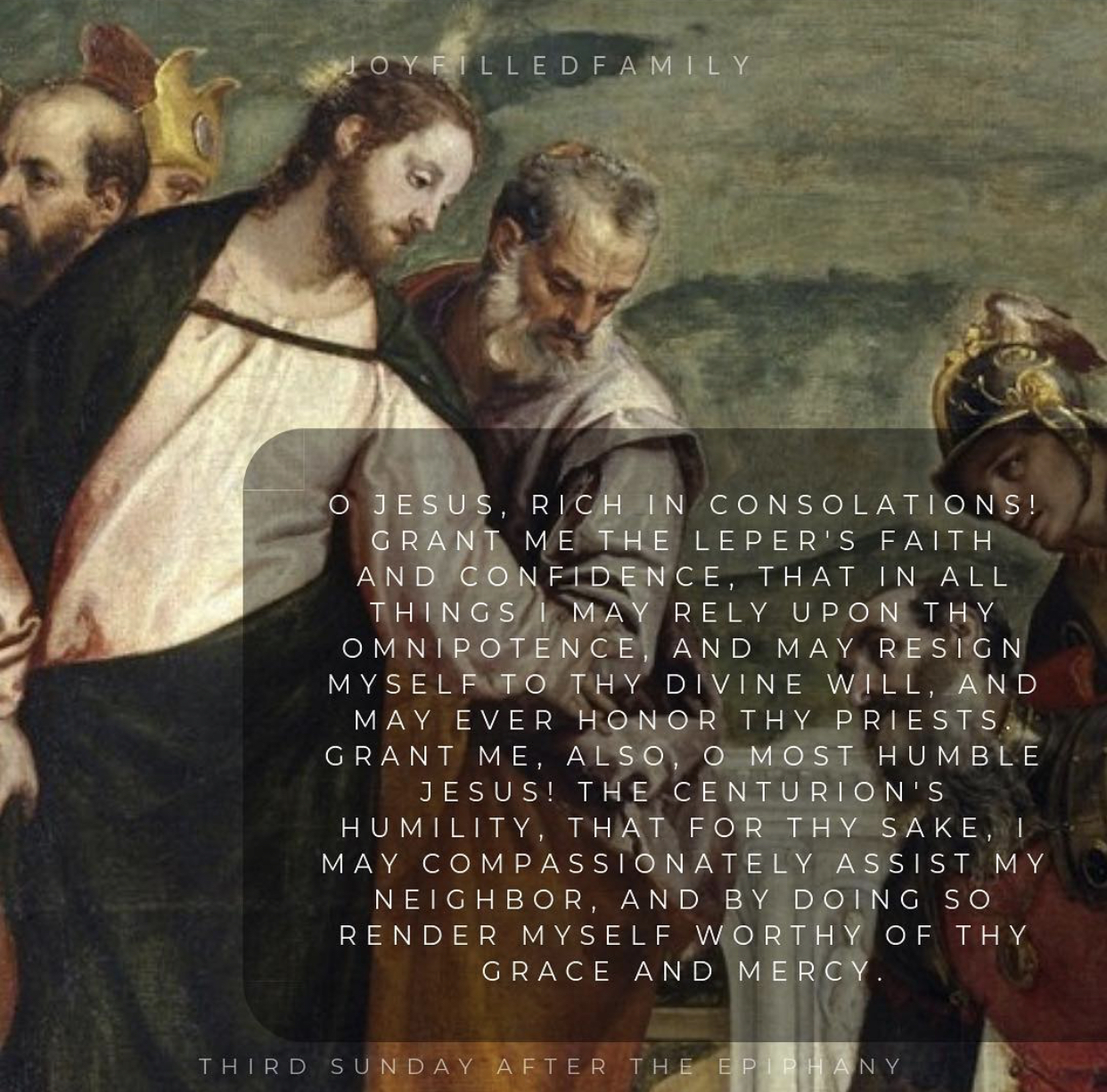
ASPIRATION O Jesus, rich in consolations! grant me the leper’s faith and confidence, that in all things I may rely upon Thy omnipotence, and may resign myself to Thy divine will, and may ever honor Thy priests. Grant me, also, O most humble Jesus! the centurion’s humility, that for Thy sake, I may compassionately assist my neighbor, and by doing so render myself worthy of Thy grace and mercy.


Offertory: Dextera Domini

Communion: Mirabantur omnes

ON RESIGNATION TO THE WILL OF GOD

Lord, if thou wilt. (Matt. VIII. 2.)

Those who in adversity as well as in prosperity, perfectly resign themselves to the will of God, and accept whatever He sends them with joy and thanks, possess heaven, as St. Chrysostom says, while yet upon earth. Those who have attained this resignation, are saddened by no adversity, because they are satisfied with all that God, their best Father, sends them, be it honor or disgrace, wealth or poverty, life or death.

All happens as they wish, because they know no will but God’s, they desire nothing but that which He does and wills. God does the will of them that fear Him. (Ps. CXLIV. 10.) In the lives of the ancient Fathers we find the following: The fields and vineyards belonging to one farmer were much more fertile and yielding than were his neighbors’. They asked how it happened and he said: they should not wonder at it, because he always had the weather he wished. At this they wondered more than ever: How could that be? “I never desire other weather,” he replied, “than God wills; and because my desires are conformable to His, He gives me the fruits I wish.”

This submission to the divine will is also the cause of that constant peace and undimmed joy of the saints of God, with which their hearts have overflowed here below, even in the midst of the greatest sufferings and afflictions. Who would not aspire to so happy a state?

We will attain it if we believe that nothing in this world can happen to us except by the will and through the direction of God, sin and guilt excepted, for God can never be the cause of them. This the Holy Ghost inculcates by the mouth of the wise man: Good things and evil, life and death, poverty and riches, are from God, (Eccles. XI. 14.) that is, are permitted or sent by God; all that which comes from God, is for the best, for God doeth all things well. (Mark VII. 37.)

Whoever keeps these two truths always in mind, will certainly be ever contented with the will of God, and always consoled; he will taste while yet on earth the undisturbed peace of mind and foretaste of happiness which the saints had while here, and which they now eternally enjoy in heaven, because of the union of their will with the divine will.

INSTRUCTION FOR MASTERS AND SERVANTS

The master of a house should be careful to have not only obedient, faithful, willing, and industrious servants in his home, as had the centurion in the gospel, but still more, pious and God-fearing ones, for God richly blesses the master because of pious servants. Thus God blessed Laban on account of the pious Jacob, (Gen. XXX. 30.) and the house of Putiphar because of the just Joseph. (Gen. XXXIX. 5.) The master should look to the morals and Christian conduct of his servants, and not suffer irreligious subjects in his house, for he must, after this life, give an account before the tribunal of God, and he makes himself unworthy of the blessing of God, often liable to the most terrible punishment by retaining such. Will not God punish those masters and mistresses who suffer those under them to seek the dangerous occasions of sin, keep sinful company, go about at night, and lead scandalous lives? Will not God, one day, demand the souls of servants from their masters? The same punishment which will befall those who deny their faith, will rest upon careless masters and mistresses, for St. Paul the Apostle writes:

But if any man have not care of his own, and especially of those of his house, he hath denied the faith, and is worse than an infidel. (I. Tim. V. 8.)

Subjects should learn from the centurion’s servants who obeyed his only word, that they also should willingly, faithfully, and quickly do every thing ordered by their masters, unless it be something contrary to the law of God. They should recollect that whatever they do in obedience to their superiors, is done for God Himself. Servants, obey in all things your masters according to the flesh, not serving to the eye, as pleasing men, but in simplicity of heart, fearing God. Whatsoever you do, do it from the heart as to the Lord, and not to men: knowing that you shall receive of the Lord the reward of inheritance. Serve ye the Lord Christ. (Col. III. 22-24.)

Lenten Calendar 2021

January 23, 2021 by Lena {JOYfilledfamily} Filed Under: Lenten Calendar Leave a Comment

Ash Wednesday is February 17 this year. Septuagesima in 2021 starts on Sunday, January 31. Septuagesima is the season that prelude to the penitential mortifications of Lent and is a time to prepare.

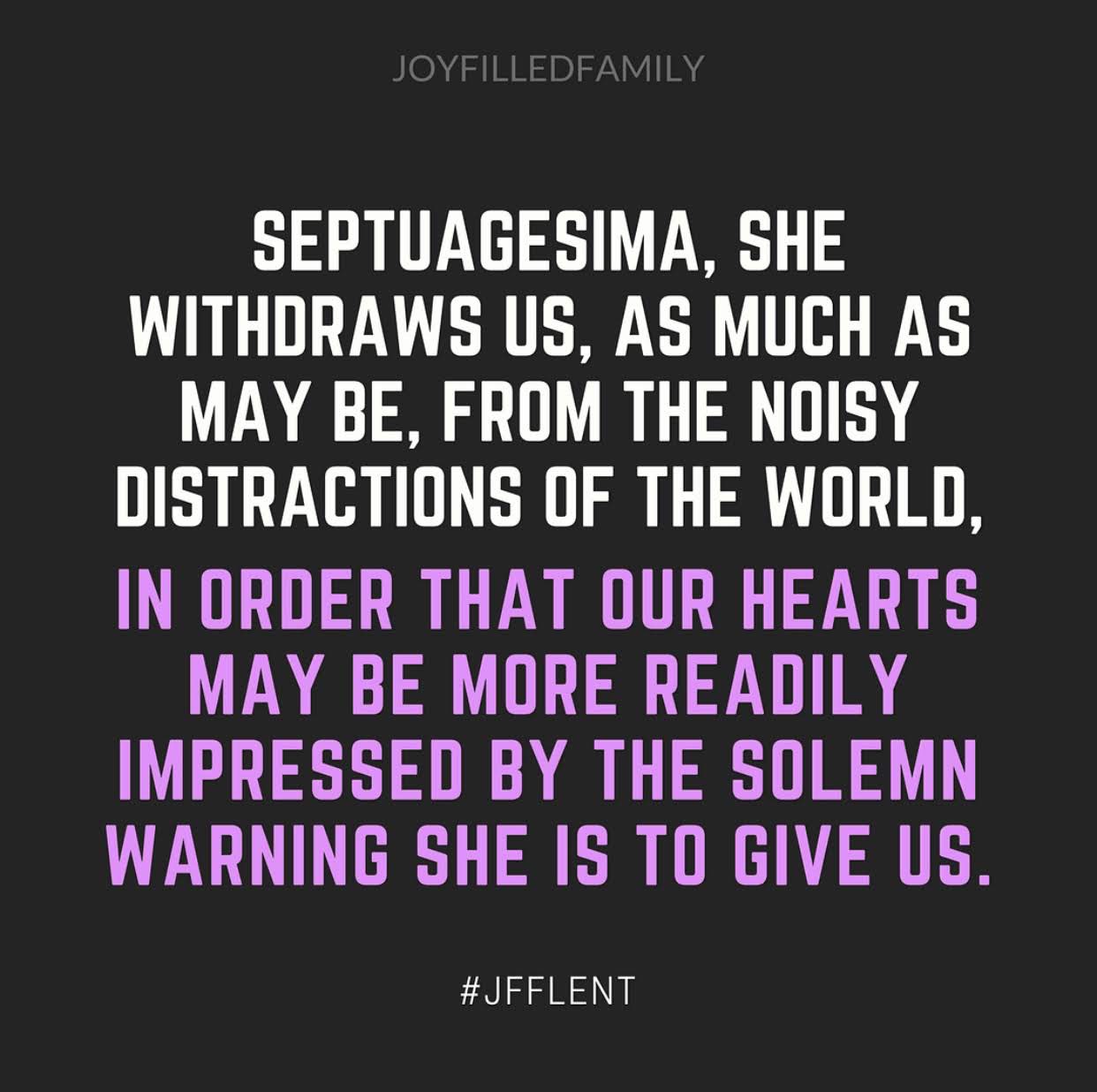
The Church, therefore, has instituted a preparation for the holy time of Lent. She gives us the three weeks of Septuagesima, during which she withdraws us, as much as may be, from the noisy distractions of the world, in order that our hearts may be the more readily impressed by the solemn warning she is to give us, at the commencement of Lent, by marking our foreheads with ashes.

The Liturgical Year by Dom Guéranger, Septuagesima

At the request of my (oldest) children, I completed our staple Lenten resource for our home. It’s not grand by any means but it goes to show that a simple visual can have a great impact on all ages.

Pictured: Lenten calendar from a previous year

Please do not think that your Lenten plans must be extravagant or lengthy. There are many fruits to be found in a simple rhythm during all seasons, especially in the most penitential season of the year.

The institution of Lent is thus brought before us with everything that can impress the mind with its solemn character and with its power to appease God and purify our souls. Look beyond the little world that surrounds us and see how the entire Christian universe is, at this very time, offering forty days’ penance as a sacrifice of propitiation to the offended Majesty of God.

Abbot Gueranger, O.S.B.’s The Liturgical Year.

As always, you are invited to use this Lenten Calendar for your personal use.

A suggested donation amount has been set for this year’s Lenten Calendar — $4. This is only a suggested donation, it can be increased or decreased as you wish.

If you are unable to pay, please do not let that stop you from using this resource.

  • You may download and print the calendar for your personal use.
  • You may also link to this post but please do not link directly to the file download.
  • Email me at JOYfilledfamily{at}gmail{dot}com if you need my assistance.  
  • This year’s calendar prints best as 12×18 or 24×36. 
    • Costco Photo has always been the best option for speedy and inexpensive printing ($3.99). (Crisp printing on sturdy photo stock. The image may need to be adjusted by the photo dept. to print brighter.)
    • Staples offers an inexpensive printing option. This Calendar can be printed as a 24×36 “Blue Print” ($3.50). (It’s thin paper but large with bright images and easy to read.)

⋅⋅⋅⋅⋅⋅

Includes 2 variations of the 2021 Lenten Calendar!

O most benign Jesus! who didst so desire to suffer for us, grant, that we may willingly suffer for love of Thee; that we may hate and flee from the detestable pleasures of the world and the flesh, and practice penance and mortification, that by so doing we may merit to be released from our spiritual blindness to love Thee more and more ardently, and finally possess Thee forever.

⋅⋅⋅⋅⋅⋅

2021 Lenten Calendar Guide

  • The bottom portion of each day represents the feasts and ferias proper to the season for the Extraordinary Form
  • Saints listed without a notation are from the Extraordinary Form liturgy
  • Saints are listed on Feria Days so we can invoke their intercession on their patronal feastday.
  • Saints listed with “H” are from the Historical calendar
  • Each saint featured by a picture is identified by the name immediately above the image (aside from First Saturday)
  • This calendar is the work of a lay Catholic for one’s personal observance of Lent and private devotions

⋅⋅⋅⋅⋅⋅

  • « Previous Page
  • 1
  • …
  • 51
  • 52
  • 53
  • 54
  • 55
  • …
  • 233
  • Next Page »

Hi! I'm Lena, mama of JOYfilledfamily.
We are a traditional Catholic family striving to live for Jesus Christ in everything we do. We pray to completely surrender our will to His and to become His servants. Our mission of this blog is to share our JOY.

This blog serves as a journal of us making good memories, living the liturgical year, and our spiritual journey.

Subscribe to our Newsletter

  • Home
  • About
  • Blog

Copyright © 2026 swank WordPress Theme <a PDCD