• Email
  • Facebook
  • Instagram
  • Pinterest
share our JOY

JOY{filled}family

striving to radiate Him always

  • Home
  • Blog
  • Brown Scapular
  • Liturgical Calendars & Planners
  • Wellness
    • Essential Oils
    • Fitness
    • Nutrition
  • Homeschool
  • Sacraments
    • Baptism
    • First Communion
    • Confirmation

Presentation of the Blessed Virgin Mary

November 21, 2016 by Lena {JOYfilledfamily} Filed Under: 11 November Saints, Marian, Presentation of the Blessed Virgin Mary Leave a Comment

Hail Mary, in your presentation! As a pure Host of Abandon. O Virgin and Mother, by this mystery give me devotion. ~Saint Louis de Montfort

nov-21the-presentation-of-the-blessed-virgin-mary
THE PRESENTATION OF THE BLESSED VIRGIN MARY

November 21

GREATER DOUBLE / WHITE
An ancient tradition holds that Our Lady was conducted by her parents to the Temple at Jerusalem to be consecrated entirely to God when she was three years old. This meeting of the ancient Temple of God and the new “Temple of the Savior” reminds us of the continuity between the Old Law and the New. For Mary, the Mother of God’s new People, was the personification and completion of all that was good in the Old Testament. Her Magnificat shows that she was steeped in the Scriptures and Law of her fathers: Even as He spoke to our fathers — to Abraham and to his posterity forever”(St. Luke 1:55).

~~~

Feast of the Presentation of the Blessed Virgin

The Blessed Virgin was presented in the temple at Jerusalem by her pious parents, Joachim and Ann, there to be educated in the service and the law of the Lord in order that she might be guarded against the defilements of the world. From this we learn: nov-21-presentation-of-the-blessed-virgin-mary-reflection

  • Joachim and Ann offered to the Lord their only and most beloved child, and gave her up entirely to His service. Great as the sacrifice was, they yet made it. The preservation of the innocence of their daughter was to them above all else. Parents, God requires of you that you should not merely offer your children to Him in the temple, but that you should take care to keep them pure and holy, as living temples which have been consecrated in Baptism.
  • Mary gives and dedicates herself to God as soon as she is capable of serving Him, and that without any reservation, for all time, and irrevocably. When, then, shall we give ourselves in earnest to God? True, we have been given to Him in holy Baptism, we have been consecrated as His temples, we have renounced the devil and the world, we have vowed to live only for God, and this vow we have, perhaps, often renewed; but have we kept it? What we gave with one hand, have we not taken it away with the other? Have we not defiled the temple of our hearts by shameful lusts, lived for the world and vanity more than for God? Ah, when shall we give ourselves up to God sincerely and forever? Perhaps when we are old! But will God accept our offering then? Will He be pleased that we begin to serve Him only when we can no longer serve the world? that we first begin to live for Him when our life is soon to cease? No; God is a jealous Lord, and is not pleased with a heart divided between Him and creatures. He requires us to love Him with all our heart and all our soul, and to serve Him with all our powers. Let us, then, do this, and do it from our youth; let us keep ourselves in body and soul undefiled for the Lord; such love, and such love only, will He reward as perfect.

Prayer

O God, Who wast pleased that the blessed Mary, ever virgin, the habitation of the Holy Ghost, should on this day be presented in the temple, grant, we beseech Thee, that by her intercession we may deserve to be presented in the temple of Thy glory. Through Our Lord Jesus Christ, Amen.

Epistle: Ecclesiasticus 24:14-16

From the beginning, and before the world, was I created, and unto the world to come I shall not cease to be, and in the holy dwelling-place I have ministered before Him. And so was I established in Sion, and in the holy city likewise I rested, and my power was in Jerusalem. And I took root in an honorable people, and in the portion of my God His inheritance, and my abode is in the full assembly of saints.

Gospel: Luke 11:27, 28

And it came to pass, as He spoke these things, a certain woman from the crowd lifting up her voice said to Him: Blessed is the womb that bore Thee, and the paps that gave Thee suck. But He said: Yea rather, blessed are they who hear the word of God and keep it.

Explanation

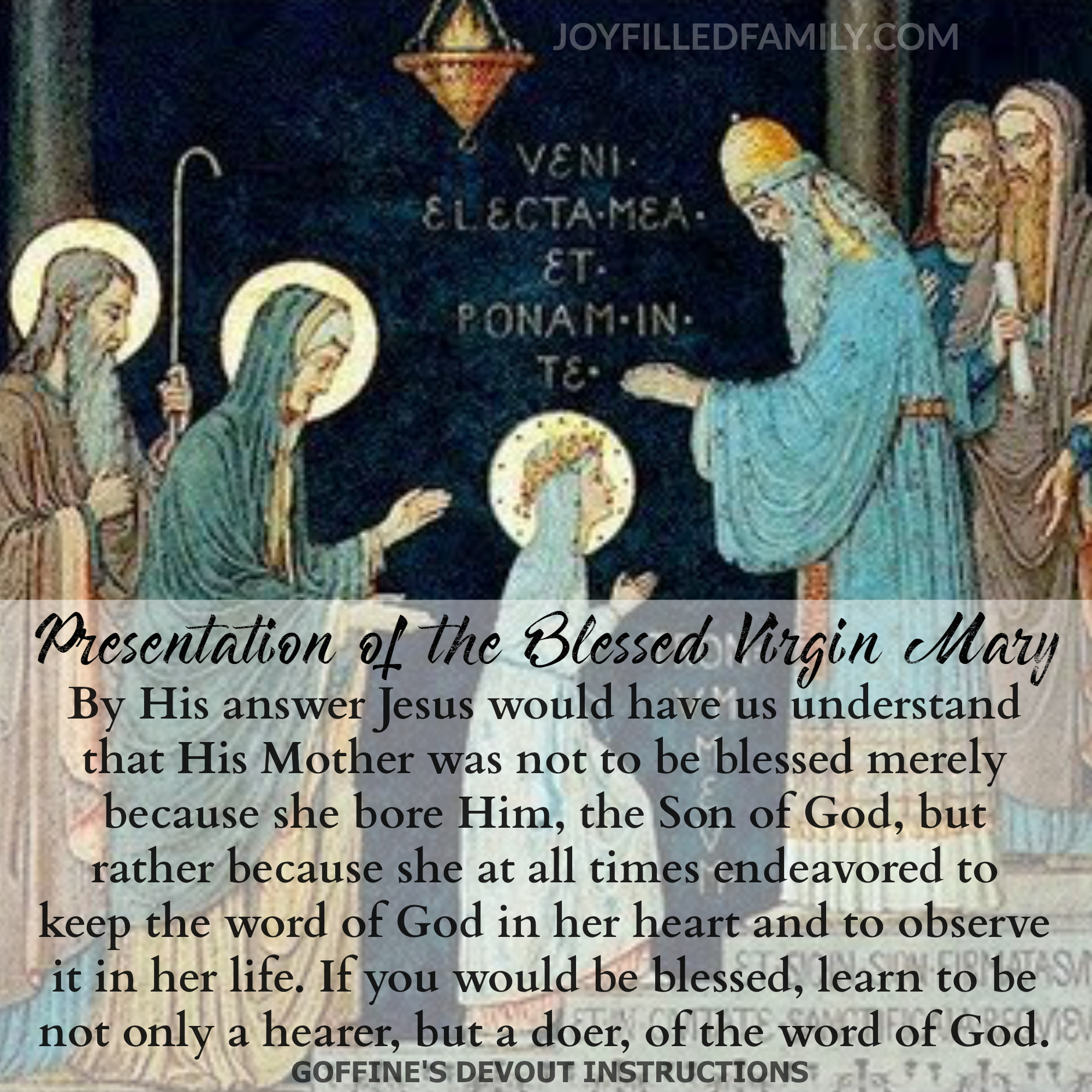
By His answer Jesus would have us understand that His Mother was not to be blessed merely because she bore Him, the Son of God, but rather because she at all times endeavored to keep the word of God in her heart and to observe it in her life. If you would be blessed, learn to be not only a hearer, but a doer, of the word of God.


~Goffine’s Devout Instructions


~~~

nov-21presentation-mary

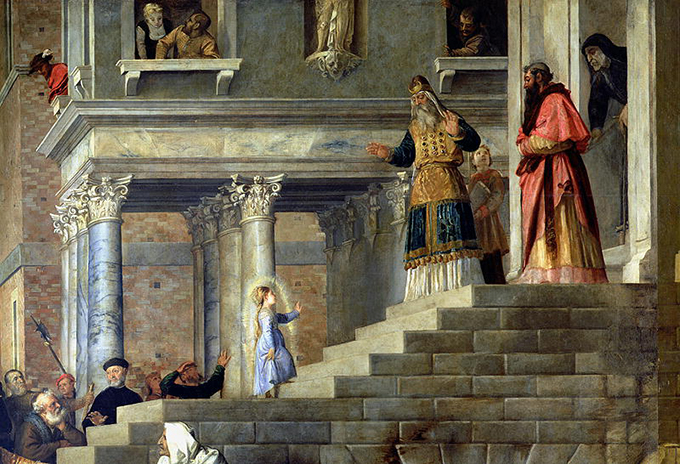
Image credit: Presentation of Mary by Titian, 1538. Public Domain via Wikimedia.

The Presentation of the Blessed Virgin Mary

Religious parents never fail by devout prayer to consecrate their children to God, His divine service and love, both before and after their birth. Some among the Jews, not content with this general consecration of their children, offered them to God in their infancy, by the hands of the priests in the Temple, to be brought up in quarters attached to the Temple, attending the priests and Levites in their sacred ministry. There were special divisions in these lodgings for the women and children dedicated to the divine service. (III Kings 6:5-9) We have examples of this special consecration of children in the person of Samuel, for example. Today the Church celebrates the feast of the Presentation of the Blessed Virgin Mary in the Temple of Jerusalem. It is very probable that the holy prophet Simeon and the prophetess Anna, who witnessed the Presentation of Jesus in the Temple, as we read in the second chapter of the Gospel of Saint Luke (verses 25 ff.) had known His Mother as a little girl in the Temple and observed her truly unique sanctity.

It is an ancient and very trustworthy tradition that the Blessed Virgin was thus solemnly offered in the Temple to God at the age of three by Her parents, Saint Anne and Saint Joachim. The Gospel tells us nothing of the childhood of Mary; Her title Mother of God, eclipses all the rest. Where, better than in the Temple, could Mary be prepared for Her mission? Twelve years of recollection and prayer, contemplation and sufferings, were the preparation of the chosen one of God. The tender soul of Mary was adorned with the most precious graces and became an object of astonishment and praise for the holy Angels, as well as of the highest complacency for the adorable Trinity. The Father looked upon Her as His beloved Daughter, the Son as One set apart and prepared to become His Mother, and the Holy Ghost as His undefiled Spouse.

Here is how Mary’s day in the Temple was apportioned, according to Saint Jerome. From dawn until nine in the morning, She prayed; from 9:00 until 3:00 She applied Herself to manual work; then She turned again to prayer. She was always the first to undertake night watches, the One most applied to study, the most fervent in the chanting of Psalms, the most zealous in works of charity, the purest among the virgins, Her companions, the most perfect in the practice of every virtue. On this day She appears as the standard-bearer for Christian virginity: after Her will come countless legions of virgins consecrated to the Lord, both in the shadow of the altars or engaged in the charitable occupations of the Church in the world. Mary will be their eternal Model, their dedicated Patroness, their sure guide on the paths of perfection.

Reflection: The consecration of Mary to God presented all the conditions of the most perfect sacrifice: it was prompt, generous, joyous, unregretted, without reservation. How agreeable it must have been to God! May our consecration of ourselves to God be made under Her patronage, assisted by Her powerful intercession and united with Her ineffable merits.

~Vie des Saints pour tous les jours de l’année, by Abbé L. Jaud (Mame: Tours, 1950); Little Pictorial Lives of the Saints, a compilation based on Butler’s Lives of the Saints and other sources by John Gilmary Shea (Benziger Brothers: New York, 1894).

~~~

Religious parents never fail by devout prayer to consecrate their children to the divine service and love, both before and after their birth. Some amongst the Jews, not content with this general consecration of their children, offered them to God in their infancy, by the hands of the priests in the temple, to be lodged in apartments belonging to the temple, and brought up in attending the priests and Levites in the sacred ministry. It is an ancient tradition, that the Blessed Virgin Mary was thus solemnly offered to God in the temple in her infancy. This festival of the Presentation of the Blessed Virgin, the Church celebrates this day. The tender soul of Mary was then adorned with the most precious graces, an object of astonishment and praise to the angels, and of the highest complacence to the adorable Trinity; the Father looking upon her as His beloved daughter, the Son as one chosen and prepared to become His mother, and the Holy Ghost as His darling spouse. Mary was the first who set up the standard of virginity; and, by consecrating it by a perpetual vow to our Lord, she opened the way to all virgins who have since followed her example.

Reflection – Mary’s first presentation to God was an offering most acceptable in His sight. Let our consecration of ourselves to God be made under her patronage, and assisted by her powerful intercession and the union of her merits.


~Pictorial Lives of the Saints with Reflections for Every Day in the Year, a compiled from “Butler’s Lives” and other Approved Sources

~~~

When she was only three years old, the Blessed Virgin Mary was taken to the Temple in Jerusalem by her holy parents, St. Joachim and St. Anne.  Mary’s whole life was to belong to God because He had chosen her to be the Mother of His Son, Our Lord Jesus Christ.

The Blessed Virgin was happy to begin serving God in the Temple of Jerusalem, even though she had to leave her dear father and mother.  And St. Joachim and St. Anne were content to offer their saintly little girl to God, for they knew that He had sent her to them.

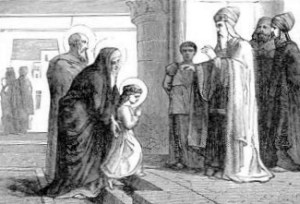
In the Temple, the High Priest received the child Mary among the maidens who were dedicated to prayer and the service of the Temple.  He kissed and blessed the holy child, seeing that the Lord had great plans for her.  Then he set her down upon the altar step.  Mary did not weep or turn back to her parents.  She came so happily to the altar that everyone in the Temple loved her at once.

St. Joachim and St. Anne went back home, praising God for their blessed daughter.  And  Mary remained in the Temple, where she grew more beautiful and holy every year.  She spent her days in loving God, reading the Bible, praying and serving the priests of the Temple.  She made beautiful linens and splendid vestments, and was loved by all the other young girls because she was so kind.  In doing each of her duties well, to please God, the Blessed Virgin Mary gained immense grace and gave glory to the Lord.

~ Every morning I will offer myself to God with my whole heart. ~

                                                          ~ Saints for Young People, Imprimatur 1963

~~~

RESOURCES:

  • Presentation of the Blessed Virgin Mary: Missa ‘Salve Sancta Parens’ – Latin Mass Propers Online PDF
  • The Chant of Le Barroux: Office for 2016-11-21

St. Elizabeth of Hungary

November 19, 2016 by Lena {JOYfilledfamily} Filed Under: 11 November, 11 November Saints, Patron Saint, St. Elizabeth of Hungary Leave a Comment

“How can I, a wretched creature, continue to wear a crown of earthly dignity, when I see my King Jesus Christ crowned with thorns?” ~St. Elizabeth of Hungary

nov-19-st-elizabeth-of-hungary

Saint Elizabeth of Hungary

Widow
(1207-1231)

November 19

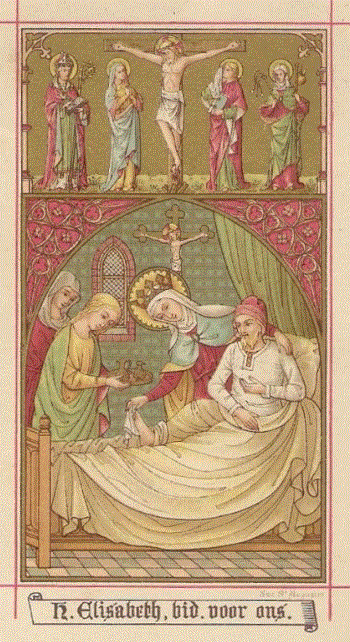
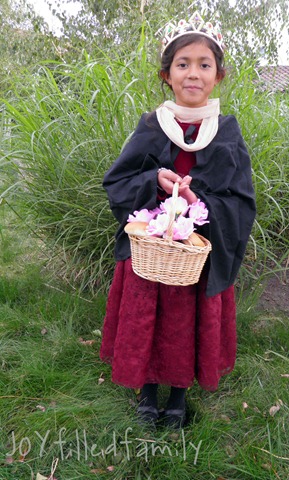
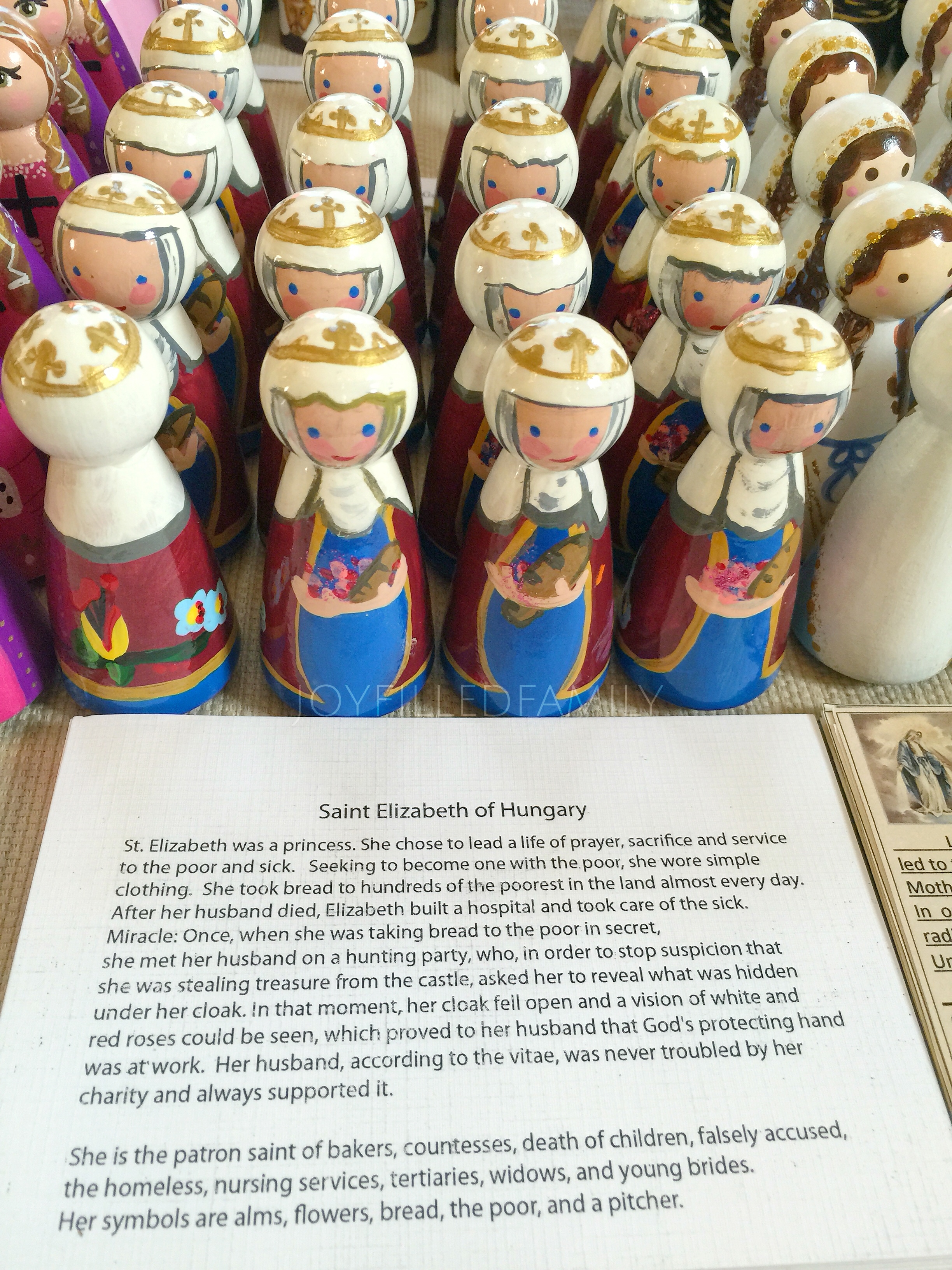
Daughter of the King of Hungary, Elizabeth was taken at the age of four to the castle of her future husband, Louis IV, Duke of Thuringia, who was then eleven. The pair grew up together, loved each other deeply, and were married in 1221. During their brief married life, Elizabeth extended her ceaseless charity toward the needy and the sick of the kingdom. After Louis had joined Emperor Frederick II on the Fifth Crusade, he caught the plague at Otranto and died. His uncle drove Elizabeth and her three children from the court in midwinter. After she had suffered great hardships, the Duke’s companions returned from the Crusade and she was restored. Her children provided for, Elizabeth became a Franciscan tertiary. She died at the age of 24.

st-20elizabeth-20of-20hungary_thumb-5B1-5D

St. Elizabeth of Hungary on All Saints Day 2010

~~~

St. Elizabeth of Hungary, Landgravine of Hesse and Thuringia
(by Father Francis Xavier Weninger, 1876)

St. Elizabeth, a model of devotion and purity to those who live singly, a mirror of love and retirement for married people, a most perfect example of patience for widows, and whose virtues deserve to be followed by all, high and low, was born in Hungary. She was a daughter of Andrew II., King of Hungary, and of Gertrude, daughter of the Duke of Carinthia. According to the Roman Breviary, Elizabeth began in early childhood to fear God, and increased in piety with age. The walk she loved best of all was going to church, where she prayed with angelic devotion, and whence it was a difficult task to bring her home, as her greatest delight consisted in praying. At the door of the church, she always took off the jewelled coronet which she wore, and when asked why she did this, she replied: “God forbid that I should ever appear with such a crown before the face of Him who was crowned with thorns, and who, out of love for me, was nailed to the cross.” She called Mary, the divine Mother, her mother, and entertained great devotion towards St. John, the Apostle and Evangelist, whom she chose as the special protector of her chastity. She never refused what was asked of her in the name of the Blessed Virgin or in that of St. John. The money allotted to her for her recreation, she gave to the poor, requesting them to say the Ave Maria. She was an enemy to luxury, vain adornments and idleness. Nature had not only bestowed upon her unusual personal beauty, but had also endowed her with great qualities of mind.

In obedience to her parents, she gave her hand to Louis, Landgrave of Hesse and Thuringia, and lived with him in continual harmony, her conduct being as blameless in the married state as it had been during her maidenhood. She gave one hour every night to prayer, and spent the day in attendance at the divine service in the church, in devout reading and in working for the poor. She always treated her husband with love and respect, and was a model of all virtues to her subjects. She watched over her domestics with a most careful eye, in order that they might lead a Christian life ; but took always a mother’s interest in seeing that their wages were punctually paid. She herself carried to the church the princes and princesses to whom she gave birth; and it was her custom, on these occasions to lay a rich offering on the Altar, and to give abundant alms to the poor. Under her royal robes, she continually wore a garment of hair-cloth.

For the sick and the forsaken she had more than a mother’s care and solicitude. She erected a hospital in which she nursed the sick and sheltered orphans; besides feeding nine hundred poor people, every day, at the palace, and sending alms to the dwellings of those who were ashamed to beg. She also visited the sick in their houses, and served them most tenderly even when they were leprous. She kissed their hands and feet, and encouraged them to patience. Never did a poor person leave her without receiving alms, and more than once, when she had no money with her, she gave away the veil from her head. She did not hesitate even to mend the clothes of the needy, and during a severe famine, gave all her corn to the sufferers. In one word, she did not neglect anything that Christian charity could do; so that she was universally called the mother of the poor.

There were at court many who, on account of her great charity, laughed at and derided her; some even accused her of extravagance. Elizabeth, however, did not allow herself to be diverted from her deeds of kindness, and the Landgrave dismissed her accusers with indignation, probably because he perceived that the more charitable his spouse was, the more he was blessed with temporal goods. Hence he not only abstained from disturbing her in her kind deeds, but assisted her in them as long as he lived. He ended his life in a crusade, in which he joined with several other Christian princes in order to conquer the Holy Land from the infidels. Elizabeth grieved deeply when the news of his death reached her, but submitted to the will of the Almighty, saying: “It is known to Thee, O my God, that I loved no one on this earth more than my husband; not only because he was my husband, but also because he loved Thee with his whole heart. But as it has pleased Thee to call him, I am well contented with Thy holy will; and if I could, against Thy decree, raise him from the dead by reciting one Pater Noster, I would not do it. I only beg of Thee to give him eternal peace, and bestow upon me the grace to serve Thee faithfully until the end of my days.” After this heroic submission to the will of God, she caused many masses and prayers to be said for the deceased, gave large alms to the poor, divested herself of her royal robes, and, though but twenty years old, she vowed to live in chaste widowhood for the rest of her days.

It pleased the Almighty to try His zealous handmaid most painfully. The nobility made the brother of the deceased Landgrave regent, and accused the holy princess of having impoverished the state by her charity to the poor. Under this pretext, they deprived her of all her possessions, and banished her from the Court, with three children, a son and two daughters. Her former vassals, fearing to draw upon themselves the disfavor of the new government, durst not give her lodgings. Even the hospitals, which she herself had founded, were closed against her. Hence she had to lodge mostly in a stable and to live on the bread she begged. In such unexpected and more than painful circumstances, St. Elizabeth showed a truly heroic, and, to the children of the world, incomprehensible strength and patience. She complained to no one of the injustice of the nobility, not even to her royal father, who was still living; but rejoiced that she could suffer for the love of God. After the first night of her banishment, she went to the Church of the Franciscans and requested them to sing the “Te Deum,” or “Great God! we praise thee,” to give thanks to God for the sorrows with which He had visited her.

The wrongs and outrages which the holy princess suffered, besides her banishment, can hardly be described. An old woman, who had formerly received clothing and nourishment from St. Elizabeth, dared to push her into a pool of stagnant water, in the street, abusing her at the same time most shamefully, for not having immediately made way for her. This outrage aroused not in the least the wrath of the holy princess; she quietly raised herself out of the pool, cleansed her garments, and offered herself to the Almighty for more suffering. God did not fail to comfort His handmaid in her adversity. Christ appeared to her, during her prayers, encouraged her, and promised never to abandon her. After some time, through her father’s influence, a dwelling, suitable to her rank, was conceded to her, and her downov-19-st-elizabeth-of-hungary-joyfilledfamilyry was refunded. The Saint immediately used one part of the building for a hospital, made her home in the same, and nursed the sick, as if she had been a servant, hired to wait upon them. All her spare time was employed in prayer and other devout exercises. She also chastised her body by fasting and other penances.

At the age of twenty-four years, she learned by revelation, that her end was approaching, for which she prepared herself by most devoutly receiving the holy sacraments. She exhorted all those who were around her death-bed, to love God with their whole heart and to assist the poor to the best of their ability. After this, she continued in prayer, until her soul, richly adorned with virtues and merits, went to her Creator, in the year of Our Lord 1231.

PRACTICAL CONSIDERATIONS

I. The life of St. Elizabeth may serve as a model to persons of every age and station. Children may learn to fear God from their earliest years, and to increase their devotion with their age; single persons, how to live chastely in their state; married people, how husband and wife ought to live together; and the widowed how to sanctify their solitude. Masters and mistresses may learn how to take care of their domestics, and pay their wages regularly. Those of a higher station may learn to set a good example to others, and not to be ashamed to appear at public worship. All Christians can find instruction in it, for employing their time well, helping the needy, and bearing crosses and trials sent by heaven. God permitted a Landgravine, a royal princess, to be banished unjustly from court, to beg her bread, and, besides other ignominies, to be refused a shelter among her own subjects. Still she complained not; but, submissive to the decrees of Providence, gave humble thanks for the Almighty for all that He, in His wisdom, had sent her. Even at the death of her husband, what fortitude, what submission to the divine will she manifested! Oh! that all would endeavor, in trials of much less severity, to unite their will with that of God, and patiently bear the cross that He has laid upon them.

II. The favorite walk of St. Elizabeth, when she was still a child, was to go to church, where she manifested most angelic devotion, and was so happy, that she could hardly be persuaded to leave. What is your favorite walk? Where do you like to remain? And when you do go to church why are you in such haste to leave it again? Why do you much oftener go to theatres, frivolous societies, vain amusements, bar-rooms and ball-rooms, than to Church, to prayers, to sermons, or to public worship? Why does the sermon, the mass, or conversation with God in prayer so soon become wearisome to you, when many hours, nay, even half the day or night seem not long, when you occupy them in gaming, dancing, or silly conversation? Answer these questions if you can; and then tell me, do you expect to justify yourself before God, and to enter the same heaven into which St. Elizabeth entered? “Ah! truly, heaven becomes not the dwelling of those who sleep and are idle, but of those who earnestly endeavor to gain it.” Thus speaks the holy pope, St. Leo.

~~~

Prayer to St. Elizabeth of Hungary
(Can be prayed as a novena for nine consecutive days)

Blessed Elizabeth, vessel elect of exalted virtues, thou dost show forth to the world by thy example what the virtues of Faith, Hope, and Charity are able to do in a Christian soul. Thou didst employ all the powers of thy heart to love thy God alone. Thou didst love Him with a love so pure and fervent that it rendered thee worthy to taste upon earth beforehand those favours and those sweetnesses of Paradise which are communicated to souls invited to the nuptials of the Divine adorable Lamb of God.

Thou, illuminated by supernatural light and faith immovable, didst show thyself to be a true daughter of the Holy Gospel, by seeing in the person of thy neighbour the Person of our Lord Jesus Christ, sole object of thy affections; and therefore didst thou place all thy delight in holding converse with the poor, in serving them, in drying their tears and comforting their spirits, in assisting them with every pious good office, in the midst of pestilence and the miseries to which our human nature is subject.

Thou didst make thyself poor in order to succour thy neighbour in his poverty–poor in the good things of earth, to enrich thyself with the goods of heaven. Thou wast so humble that, after thou hadst exchanged a throne for a poor hovel, and a royal mantle for the modest habit of St Francis, thou didst subject thyself, innocent though thou wast, to a life of privation and of penance, and with holy joy didst embrace the cross of thy Redeemer, with goodwill accepting with Him insults and the most unjust persecution: thus didst thou forget the world and thyself, to remember thy God alone.

Dearest Saint, who wast so beloved by God, vouchsafe to be the heavenly friend of our souls, and help them to become ever more and more acceptable to Jesus. Cast down upon us from the height of heaven one of those tender looks which, when thou wast upon earth, healed the most distressing infirmities. In this our age, so depraved and corrupt, and at the same time so cold and indifferent to the things of God, we have recourse to thee with confidence, in order that we may receive from our Lord light for the understanding and strength for the will, and thence obtain peace of soul.

Whilst we bless the Lord for having glorified his name in this world with the splendour of thy heroic virtues and the eternal reward accorded to them, do thou bless them, O dear St. Elizabeth, from that Blessed throne which thou dost occupy close to the Saint of Saints; protect us in our dangerous pilgrimage; obtain for us the pardon of our sins, and open for us the way to enter and share with thee the Kingdom of God. Amen.

(Indulgence 300 Days)
~~~

RESOURCES:

  • St. Elizabeth of Hungary Coloring Page – Waltzing img_5785-1Matilda
  • St. Elizabeth of Hungary Workbook  – Real Life at Home
  • Treats for St. Elizabeth of Hungary – Catholic Cuisine
  • Litany of St. Elizabeth of Hungary
  • St. Elizabeth of Hungary – Calendar of Saints Traditional Catholic Net
  • The Life of St. Elizabeth of Hungary – Online Book
  • St. Elizabeth of Hungary – Genral Audience of Pope Benedict XVI
  • The Revelations of Saint Elizabeth of Hungry – Translation on Youtube
  • The Chant of Le Barroux: Office for 2016-11-19
  • St Elizabeth of Hungary, Widow – Latin Mass Propers PDF

~~~

This young and delicate princess made herself the servant and nurse of the poor. Let her example teach us to disregard the opinions of the world and to overcome our natural hesitation, in order to serve Christ in the person of His poor.

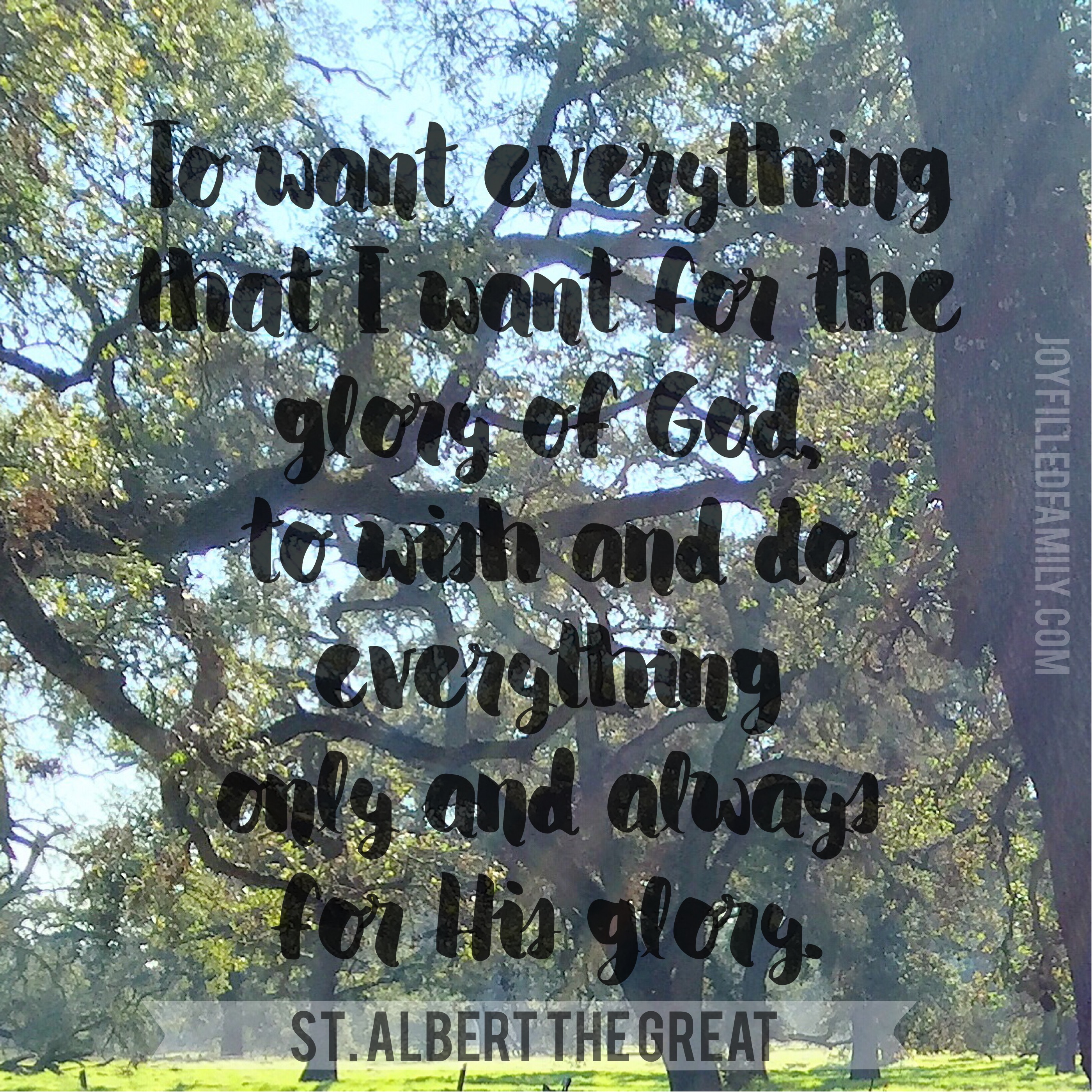
St. Albert the Great

November 15, 2016 by Lena {JOYfilledfamily} Filed Under: 11 November Saints, Patron Saint, St. Albert the Great Leave a Comment

“My soul, if you wish to be intimate with Mary, let yourself be carried between her arms and nourished with her blood . . . . Let this ineffable, chaste thought accompany you to the Banquet of God and you will find in the Blood of the Son the nourishment of the Mother.” ~ St. Albert the Great

nov-15-st-albert

SAINT ALBERT THE GREAT (1280 A.D.)
Bishop and Doctor of the Church

November 15

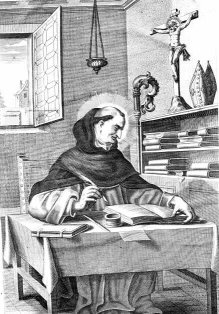
Albert the Great, Universal Doctor and Patron of the Sciences, was born in the castle of Lauingen on the Danube early in the 13th century. Under the inspiration of Bl. Jordan of Saxony (St. Dominic’s successor), the young count entered the Order of Preachers from the University of Padua, despite family opposition. Following ordination he taught in Dominican houses of study at Hildesheim, Freiburg in Breisgau, Ratisbon, and Cologne, achieving greatest distinction at the Priory of St. Jacques affiliated to the University of Paris. He was a pioneer in the experimental scientific method as well as in Aristotelian philosophy, and his solid achievements in science are acknowledged today. He was probably the most prolific writer on scientific and spiritual subjects in the medieval period. He was also bishop of Ratisbon, and preacher of the last Crusade in Germany. He died in Cologne in 1280, some time after an arduous walk to Paris and back to defend the memory of his greatest disciple, Thomas Aquinas.

img_5588

“Do this in remembrance of me.” Two things should be noted here. The first is the command that we should use this sacrament, which is indicated when Jesus says, “Do this.” The second is that this sacrament commemorates the Lord’s going to death for our sake. This sacrament is profitable because it grants remission of sins; it is most useful because it bestows the fullness of grace on us in this life. “The Father of spirits instructs us in what is useful for our sanctification.” And his sanctification is in Christ’s sacrifice, that is, when he offers himself in this sacrament to the Father for our redemption to us for our use. Christ could not have commanded anything more beneficial, for this sacrament is the fruit of the tree of life. Anyone who receives this sacrament with the devotion of sincere faith will never taste death. “It is a tree of life for those who grasp it, and blessed is he who holds it fast. The man who feeds on me shall live on account of me.” Nor could he have commanded anything more lovable, for this sacrament produces love and union. It is characteristic of the greatest love to give itself as food. “Had not the men of my text exclaimed: Who will feed us with his flesh to satisfy our hunger? as if to say: I have loved them and they have loved me so much that I desire to be within them, and they wish to receive me so that they may become my members. There is no more intimate or more natural means for them to be united to me, and I to them. Nor could he have commanded anything which is more like eternal life. Eternal life flows from this sacrament because God with all sweetness pours himself out upon the blessed.

~ from a commentary by Saint Albert the Great on the Gospel of Luke

RESOURCES:

  • Nov. 15 – St Albert the Great, Bishop, Confessor, and Doctor of the Church – Latin Mass Propers PDF
  • On Union With God, Saint Albert The Great, Complete Audiobook (Youtube), The Roman Catholic Church
  • Nov 15 – Homily: St. Albert the Great, Philosopher of Mary
  • Litany of St. Albert the Great

~~~

O God, Who didst make blessed Albert, Thy Bishop and Doctor, great by his bringing human wisdom into captivity to divine faith: grant us, we beseech Thee, so to follow the guidance of his teaching that we may enjoy perfect light in heaven. Through our Lord…

Pope Pius X

November 13, 2016 by Lena {JOYfilledfamily} Filed Under: 09 September, 09 September Saints, Pope Pius X Leave a Comment

Truly we are passing through disastrous times, when we may well make our own the lamentation of the Prophet: “There is no truth, and there is no mercy, and there is no knowledge of God in the land” (Hosea 4:1). Yet in the midst of this tide of evil, the Virgin Most Merciful rises before our eyes like a rainbow, as the arbiter of peace between God and man. ~Pope Saint Pius X

We’ve been blessed to have a First Class Relic of Pope Saint Pius X in our home for veneration so I thought it only fitting to share what we’ve been reflecting on.  (Pictures to come.) 


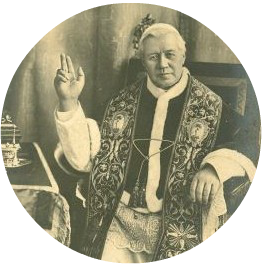
september-3-pope-st-pius-x-circle

Pope St. Pius X

September 3

The future pope and saint, Joseph Sarto was born in poverty in the northern Italian village of Riese in 1835. He was successively curate, parish priest, bishop of Mantua, patriarch of Venice and Pope. As Vicar of Christ (1903-14) he intrepidly defended the purity of Christian doctrine, his one aim being to restore all things in Christ. He returned sacred music to its rightful place in the liturgy; fostered Catholic popular action; directed a codification of Canon Law; urged in his Eucharistic Degrees early and daily Communion; and spent himself to sanctify the Catholic clergy. In his universal charity, Pius X considered it his mission “to have a care, not only for all the faithful, but for every soul for whom Christ died.”

Omnia Instaurare in Christo ~ To Restore All Things in Christ.

~~~

RESOURCES:img_2403

  • Novena to Pope St. Pius X – Printable
  • Novena To Pope St. Pius X – Tan Books
  • Pope Pius X Coloring Page – Catholic Playground
  • Pope Pius X Coloring Page – Crusaders for Christ
  • Pope Pius X Coloring Page – Waltzing Matilda
  • Litany of Pope St. Pius X
  • Biography of Pope Pius X – Mother Frances Alice Monica Forbes
    • Pope Pius the Tenth, Christian Audiobook, by Francis Alice Forbes
    • Sensus Fidelium – Youtube
  • Si Diligis: Canonization of Saint Pius X, by Venerable Pope Pius XII, 31 May 1954
  • Encyclical of Pope Pius X on the Doctrine of the Modernists
  • Complete list of Pope Pius X Encycilicals 
  • Scourge of Modernism – Monsignor John P Carroll
  • Canonization of Pope Pius X – Caeremoniale Romanum Youtube
  • Saint Pope Pius X and Papal Liturgy – Caeremoniale Romanum Youtube

Novena Prayer

(By Fr. Lawrence Lovasik)

Glorious Pontiff, Saint Pius the X, devoted servant of Our Lord and loving child of Mary, I invoke you as a saint in Heaven. I give myself to you that you may always be my father, my protector and my guide in the way of holiness and salvation.

Aid me in observing the duties of my state in life. Obtain for me great purity of heart and a fervent love of the interior life after your own example.

Pope of the Blessed Sacrament, teach me to love Holy Mass and Holy Communion as the source of all grace and holiness and to receive this Sacrament as often as I can.

Gentle father of the poor, help me to imitate your charity toward my fellowmen in word and deed.

Consoler of the suffering, help me to bear my daily cross patiently and with perfect resignation to the will of God. Loving Shepherd of the flock of Christ obtain for me the grace of being a true child of Holy Mother Church.

Saint Pius the X beloved Holy Father, I humbly implore your powerful intercession in obtaining from the Divine Heart of Jesus all the graces necessary for my spiritual and temporal welfare.

I recommend to you in particular this favor…   

(mention your request)

Great Pontiff, whom Holy Mother Church has raised to the honor of our altars and urged me to invoke and imitate as a Saint, I have great confidence in your prayers. I earnestly trust that if it is God’s Holy Will, my petition will be granted through your intercession for me at the throne of God.

St. Pius the X pray for me and for those I love. I beg of you, by your love for Jesus and Mary, do not abandon us in our needs. May we experience the peace and joy of your holy death.  Amen.

Our Father, Hail Mary and Glory be, 3 x each

Holy Relics

November 5, 2016 by Lena {JOYfilledfamily} Filed Under: 11 November, 11 November Saints, Relic Leave a Comment

Veneration ought to be shown by the faithful to the bodies of the Martyrs and other Saints, who live with Jesus Christ. For they were His living members and the temples of the Holy Ghost; He will raise them up again to eternal life and glory; and through them God grants many blessings to mankind. Therefore, those who say that the relics of the Saints are not worthy of veneration, that it is useless for the faithful to honor them, that it is vain to visit the memorials or monuments of the Saints in order to obtain their aid, are absolutely to be condemned; and, as they have already been long ago condemned [by the Second Council of Nicaea], the Church now condemns them once more” (Council of Trent, Session 25). ~ Adapted from The Liturgical Year by Abbot Gueranger

heart_thumb2Feast of the Holy Relics
Missa ‘Multae tribulatiónes’
Red
3rd Class

The Mass of the Holy Relics is found in the Missal, among the Masses for Various Places, on the 5th of November. In some places it has been celebrated on the 3rd, in others, on the Sunday within the Octave of All Saints; but nearly always it is celebrated, most fittingly, within that Octave.


Feast of the Holy Relics

By relics of the Saints we mean all that remains of them after their death — their bones, their ashes, their clothing and other objects used by them. Enemies of the Church have condemned the cult of the relics ofrose-20with-20her-20miraculous-20medal_thumb-5b2-5d the Saints as being borrowed from pagan customs and without apostolic origin. The decision of the Council of Trent suffices to show the falsehood and bad faith of their reasoning. That Council, in effect, decreed quite otherwise, that the bodies of the martyrs and other Saints, who were the living members of Jesus Christ and the temples of the Holy Spirit, must be honored by the faithful, and that through them God grants a great many benefits to the living. Its decision was based on the usage already established in the first century and which has remained constant in the Church, as well as on the teaching of the Fathers and Councils.

The cult of holy relics is therefore not only permitted, but commanded; it is not only a right, but a duty. Let us note well that the cult of holy relics diverges from pagan practices in that it is supernatural. We do not honor what remains of the Saints for any motive derived from nature, but from motives based on the Faith. If one honors the memory and remains of great men worthy of that appellation, it is regarded as justice; but when one honors the memory and remains of the Saints, it is more than justice, it is the virtue of religion. The final object of the cult of the holy relics is God who sanctifies the Saints; it is Jesus Christ, whose members the Saints are. This cult is so legitimate that God Himself sometimes glorifies the relics of His Saints by heavenly perfumes, by other marvelous privileges, by countless miracles. Let us add that the cult of holy relics also has its foundation in the glorious resurrection which is awaiting the bodies of the Saints. God Himself will reassemble these remains at the end of the world and will give them all the brilliance and beauty of which they are capable.

Let us then venerate, with respect, devotion and confidence, these precious relics which once were animated by such great souls, were the instruments of beautiful and holy works and of astonishing virtues, and which will some day be honored by a brilliant and immortal glory. Let us value pilgrimages made to the tombs of the Saints, and celebrate religiously the feast of the holy relics, which appropriately follows closely upon All Saints Day, the feast day of the splendid holy souls who are in heaven.

Vie des Saints pour tous les jours de l’année, by Abbé L. Jaud (Mame: Tours, 1950).

classes-of-relics

We do not adore, I will not say the relics of the martyrs, but either the sun or the moon or even the angels — that is to say, with the worship of “latria”…But we honor the martyrs’ relics, so that thereby we give honor to Him Whose [witness] they are: we honor the servants, that the honor shown to them may reflect on their Master… Consequently, bpapi-20making-20a-20third-20class-20relic_thumb-5b2-5dy honoring the martyrs’ relics we do not fall into the error of the Gentiles, who gave the worship of “latria” to dead men.

~ St.Jerome


These [the bodies of the Saints] are made treasuries and pure habitations of God: For I will dwell in them, said God, and walk in them, and I will be their God. The divine Scripture likewise saith that the souls of the just are in God’s hand and death cannot lay hold of them. For death is rather the sleep of the saints than their death. For they travailed in this life and shall to the end, and Precious in the sight of the Lord is the death of His saints. What then, is more precious than to be in the hand of God? For God is Life and Light, and those who are in God’s hand are in life and light.

Further, that God dwelt even in their bodies in spiritual wise, the Apostle tells us, saying, Know ye not that your bodies are the temples of the Holy Spirit dwelling in you?, and The Lord is that Spirit, and If any one destroy the temple of God, him will God destroy. Surely,then, we must ascribe honour to the living temples of God, the living tabernacles of God. These while they lived stood with confidence before God.

The Master Christ made the remains of the saints to be fountains of salvation to us, pouring forth manifold blessings and abounding in oil of sweet fragrance: and let no one disbelieve this. For if water burst in the desert from the steep and solid rock at God’s will and from the jaw-bone of an ass to quench Samson’s thirst, is it incredible that fragrant oil [see below] should burst forth from the martyrs’ remains?By no means, at least to those who know the power of God and the honour which He accords His saints.

In the law every one who toucheth a dead body was considered impure,but these are not dead. For from the time when He that is Himself life and the Author of life was reckoned among the dead, we do not call those dead who have fallen asleep in the hope of the resurrection and in faith on Him. For how could a dead body work miracles? How,therefore, are demons driven off by them, diseases dispelled, sick persons made well, the blind restored to sight, lepers purified,temptations and troubles overcome, and how does every good gift from the Father of lights come down through them to those who pray with sure faith?

~ St. John of Damascus


~~~

O God, who willed to adorn this church with the relics of so many saints; grant that we Your servants may enjoy in heaven the fellowship of those whose memory we venerate on earth:  Through our Lord…

  • « Previous Page
  • 1
  • …
  • 86
  • 87
  • 88
  • 89
  • 90
  • …
  • 233
  • Next Page »

Hi! I'm Lena, mama of JOYfilledfamily.
We are a traditional Catholic family striving to live for Jesus Christ in everything we do. We pray to completely surrender our will to His and to become His servants. Our mission of this blog is to share our JOY.

This blog serves as a journal of us making good memories, living the liturgical year, and our spiritual journey.

Subscribe to our Newsletter

  • Home
  • About
  • Blog

Copyright © 2026 swank WordPress Theme <a PDCD