• Email
  • Facebook
  • Instagram
  • Pinterest
share our JOY

JOY{filled}family

striving to radiate Him always

  • Home
  • Blog
  • Brown Scapular
  • Liturgical Calendars & Planners
  • Wellness
    • Essential Oils
    • Fitness
    • Nutrition
  • Homeschool
  • Sacraments
    • Baptism
    • First Communion
    • Confirmation

Easter Hymn

April 9, 2021 by Lena {JOYfilledfamily} Filed Under: Easter Leave a Comment


We’ve been meditating on the Victimae Paschali Laudes — an ancient chant that tells the story of death and life locked in a struggle, wherein Christ, the Paschal victim, victorious over death, reconciles us to the Father. It tells the story of Mary Magdalene, who upon finding the empty tomb of the risen Christ and of finding the clothes which once covered his head and limbs, proclaims “Christ my hope has arisen.”
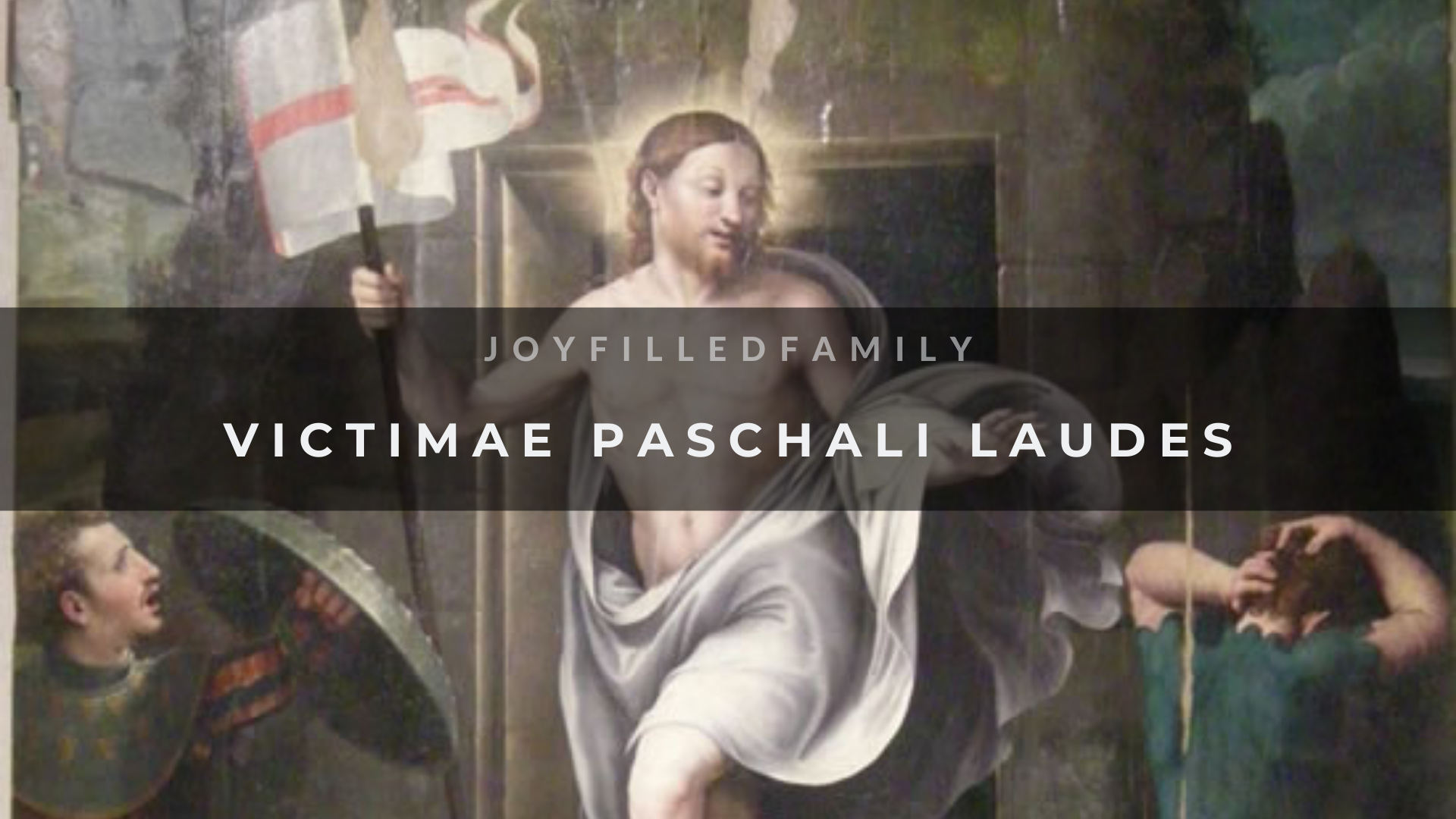
Victimae Paschali Laudes is one of the medieval sequences that were preserved in the Missale Romanum published in 1570 after the Council of Trent (1545-1563), this poetic liturgical hymn continues to be sung at the Tridentine Mass on Easter Sunday and through its Octave. The Easter sequence, attributed to Wipo of Burgundy (✞ 1048).
Victimae Paschali Laudes

Latin & English (literal)

Victimae paschali laudes

immolent Christiani.   

-Let Christians offer sacrificial

praises to the Passover victim.

Agnus redemit oves:

Christus innocens Patri

reconciliavit peccatores.   

-The lamb has redeemed the sheep:

The Innocent Christ has reconciled

the sinners to the Father.

Mors et vita duello

conflixere mirando:

dux vitae mortuus,

regnat vivus.   

-Death and life contended

in a spectacular battle:

the Prince of life, who died,

reigns alive.

Dic nobis Maria,

quid vidisti in via?   

-Tell us, Mary, what did

you see on the road?

Sepulcrum Christi viventis,

et gloriam vidi resurgentis   

-“I saw the tomb of the living Christ

and the glory of his rising,

Angelicos testes,

sudarium, et vestes.   

-The angelic witnesses, the

clothes and the shroud.”

Surrexit Christus spes mea:

praecedet suos [vos] in Galilaeam.   

-“Christ my hope is arisen;

into Galilee, he will go before his own.”

[Credendum est magis soli

Mariae veraci

Quam Judaeorum Turbae fallaci.] *   

-[Happy they who bear the witness

Mary’s word believing

above the tales of Jewry deceiving.] *

Scimus Christum surrexisse

a mortuis vere:

tu nobis, victor Rex, miserere.

-We know Christ is truly risen from the dead!

To us, victorious King, have mercy!

[Amen.] [Alleluia.]   

-Amen. [Alleluia.]

* The section beginning “Credendum est,” with its pejorative reference to the Jews, was deleted in the 1570 missal, which also replaced “praecedet suos (his own)” with “praecedet vos (you)”, and added “Amen” and “Alleluia” to the end.

A Lenten Birthday

April 8, 2021 by Lena {JOYfilledfamily} Filed Under: 03 March, Birthday, Happy Birthday Leave a Comment

My birthday may be in Lent (Holy Week this year) but my beloved always finds a way to celebrate.

43 years old

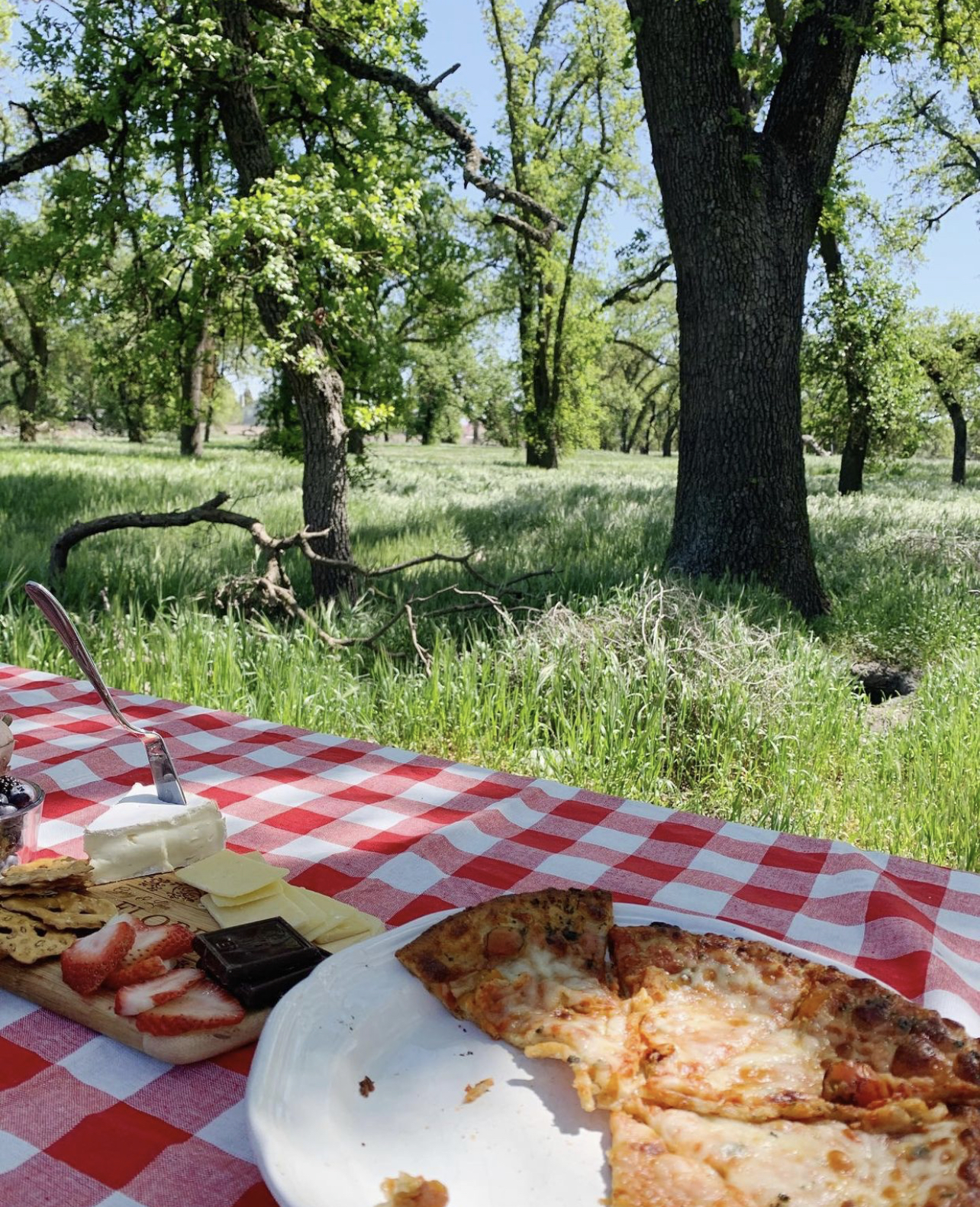
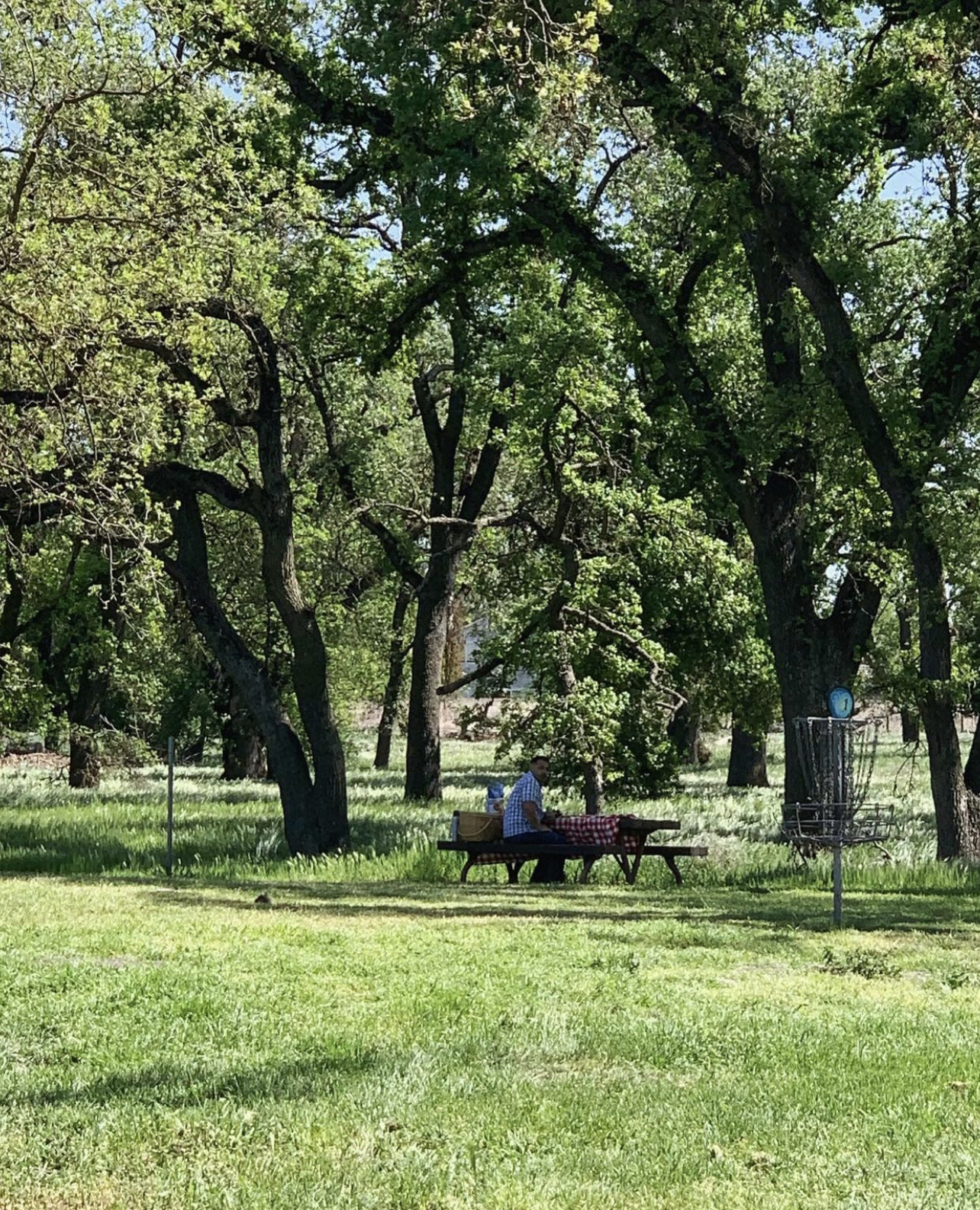
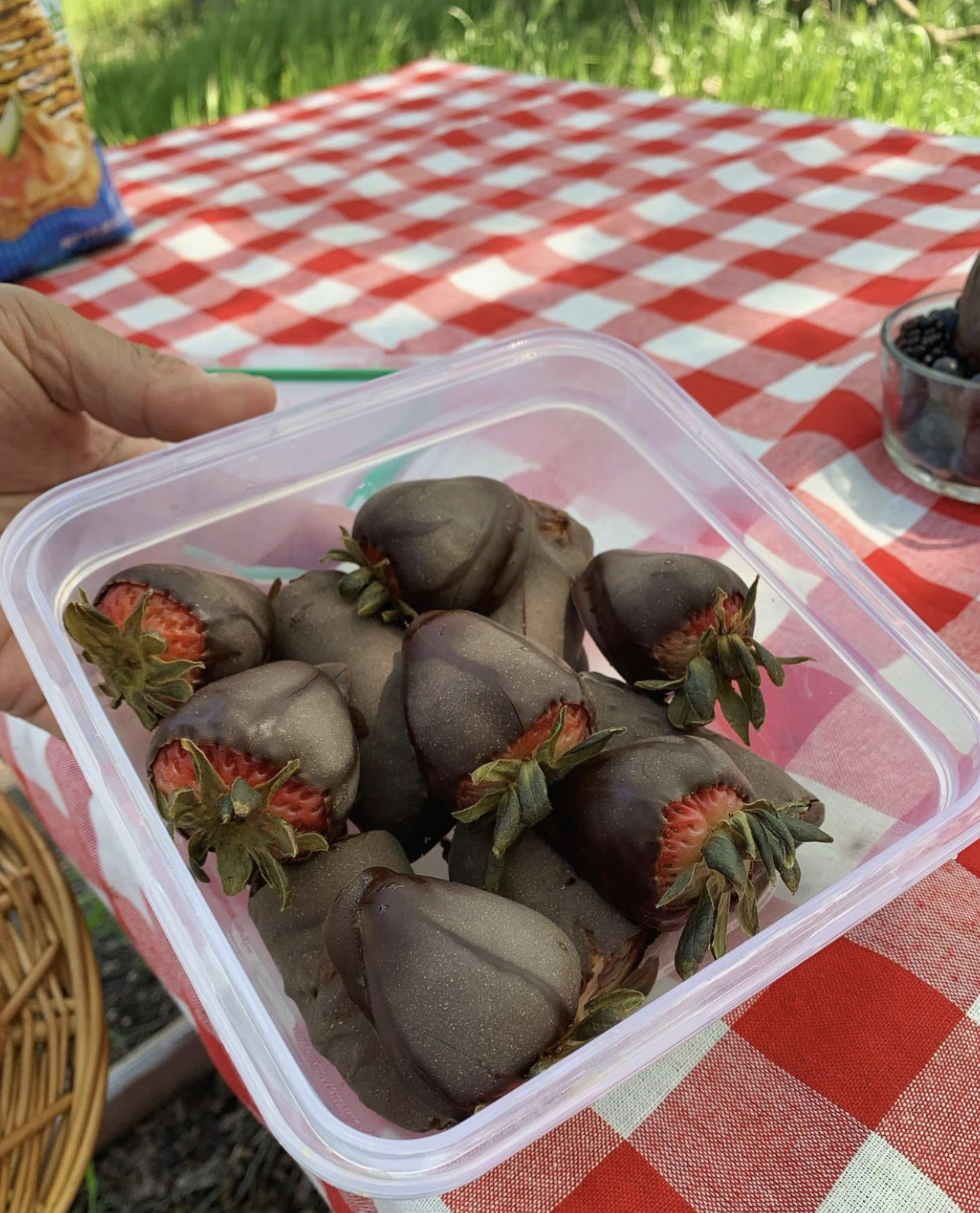
This year I was surprised with a day date — getaway for a picnic in the park. He even managed to be certain that we kept our Lenten fast/abstinence sans unsweetened chocolate dipped strawberries & bananas (my fave).

My girls asked to do my hair and make-up in the morning while the boys got their hair cut. I thought nothing of it aside from a generous pampering and sharing of self. Then he told me to get ready, Nana was here to watch the children. It was glorious!

Now that we’re in Eastertide and my birthday week (yes, we get birthday weeks here — like an octave of sorts) has come to end, I fully rejoice for the gift of life, my beloved husband, our children (all 14), and His abundant grace.

We continue to celebrate the most glorious season of all, Eastertide.

I leave you with with words from #domprospergueranger :

“Easter is the summit of the Mystery of the sacred Liturgy. The Christian who is happy enough to enter, with his whole mind and heart, into the knowledge and the love of the Paschal Mystery, has reached the very centre of the supernatural life. Hence it is, that the Church uses every effort in order to effect this: what she has hitherto done, was all intended as a preparation for Easter. The holy longings of Advent, the sweet joys of Christmas, the severe truths of Septuagesima, the contrition and penance of Lent, the heart-rending sight of the Passion — all were given us as preliminaries, as paths, to the sublime and glorious Paseh, which is now ours.” #domgueranger

May we all celebrate these 50 days of Easter with great joy! ALLELUIA!

The Liturgy & The Holy Mass

April 7, 2021 by Lena {JOYfilledfamily} Filed Under: Archbishop Vigano, Holy Mass, Libertas Leave a Comment

An interview of Archbishop Vigano was released in Holy Week (5.5.21). He was asked several questions regarding the apostasy that is spreading in the Church and the tyranny imposed by the ideology of the New World Order, to which the Hierarchy of the Church seems to be in total submission. Below is one on the Holy Mass, question and answer. You can read the entire interview, here.

Q: “Let us speak of the liturgy and the Holy Mass. Not all faithful Catholics, however well-intentioned, have the possibility of participating at Vetus Ordo Masses and must “content themselves” with the Masses that are celebrated in their parishes, often marked by liturgical rudeness if not true and proper abuses. In these Masses Communion is received on the hand, standing, the Our Father is recited according to the new formula [at Masses celebrated in Italian], those present are invited to exchange the “glance of peace,” [instead of the sign of peace], preaching is heard that is in line with Bergoglianism (to touch on only a few aspects). In the end, they leave Mass feeling sad, to put it mildly, rather than peaceful and reconciled with God and their brothers. So what should they do?“

A: “We should first ask ourselves how it can be possible that the supreme act of worship, instituted by Our Lord to perpetuate in an unbloody manner on our altars the infinite graces of the Sacrifice of Calvary, has become an obstacle to the sanctification of the faithful rather than an occasion of spiritual progress and interior peace. In other times, the Mass offered a glimpse of Heaven amidst the trials and chaos of the world; today it seems that the clamor of the world is an indispensable element to banish silence, prayerful adoration, and the sense of the sacred and the presence of God. But if in the natural order it is our duty to nourish the body with healthy food and avoid those that are poisoned or adulterated, all the more so is it our duty in the supernatural order to feed our souls with healthy nourishment, keeping ourselves away from what can spiritually poison us.

Obviously I understand the difficulty of the faithful in finding churches in which the traditional Holy Mass is celebrated, but I think that the Lord also knows how to appreciate the good will of those who are aware of the importance that the Holy Sacrifice has for our soul, especially in moments of great crisis like the ones we are going through, and for this reason they know how to make a small effort, at least on Sundays, to sanctify the Lord’s Day worthily. There have been times and places in which Catholics were persecuted and assisting at the Mass was difficult and dangerous, and yet the faithful succeeded in gathering clandestinely in the woods, in cellars, or in attics in order to honor God and nourish themselves with the Bread of Angels: we have the duty to be worthy of these our brothers in the Faith, without making excuses or pretexts. On the other hand, the Motu Proprio Summorum Pontificum recognizes the right of the faithful – a right, not a privilege – to have the traditional Mass, and if this does not happen everywhere it is in large part because the faithful do not know how to impose themselves. It is not a question of concern for aesthetics, of love for Latin or Gregorian chant, or a form of nostalgia for one’s own past; here what is in question is the heart of the life of the Church, the soul of the supernatural life of Catholics, the very good of the world.

I understand that many of the faithful find themselves in a situation of difficulty, at least from the human point of view, at the moment when they must decide whether to abandon the life of their parish in order to seek out a traditional Mass which is sometimes miles away. The faithful have a grave moral duty at least to seek out a Mass celebrated with decorum and respect by a pious priest who administers Holy Communion on the tongue.

The pandemic has given the pretext for abusively imposing restrictions on liturgical functions: let us not make ourselves sharers in responsibility for these abuses by our silence and our resignation in allowing indecorous or sacrilegious Masses to be imposed on us. God is also offended by the indolence and indifference with which we repay His love for us: an indolence that is increasingly perceptible in the faithful who even allow themselves to be vaccinated in church on Holy Saturday, replacing meditation on the Last Things with the groundless fear of physical death. In the face of these manifestations of the enslavement of the Clergy and the Hierarchy to the diktats of a corrupt and corrupting authority, raising one’s voice aloud is not only a moral duty but also a brake on the excesses of so many ecclesiastics who have forgotten the sense of their Priesthood and the soul of their vocation. They should seriously consider how grave their cooperation with the Covid narrative is, above all when pseudo-scientific superstition becomes the only possible form of faith, appropriating the symbology, lexicon, and rituality of a religion. Let whoever has ears to hear, understand.

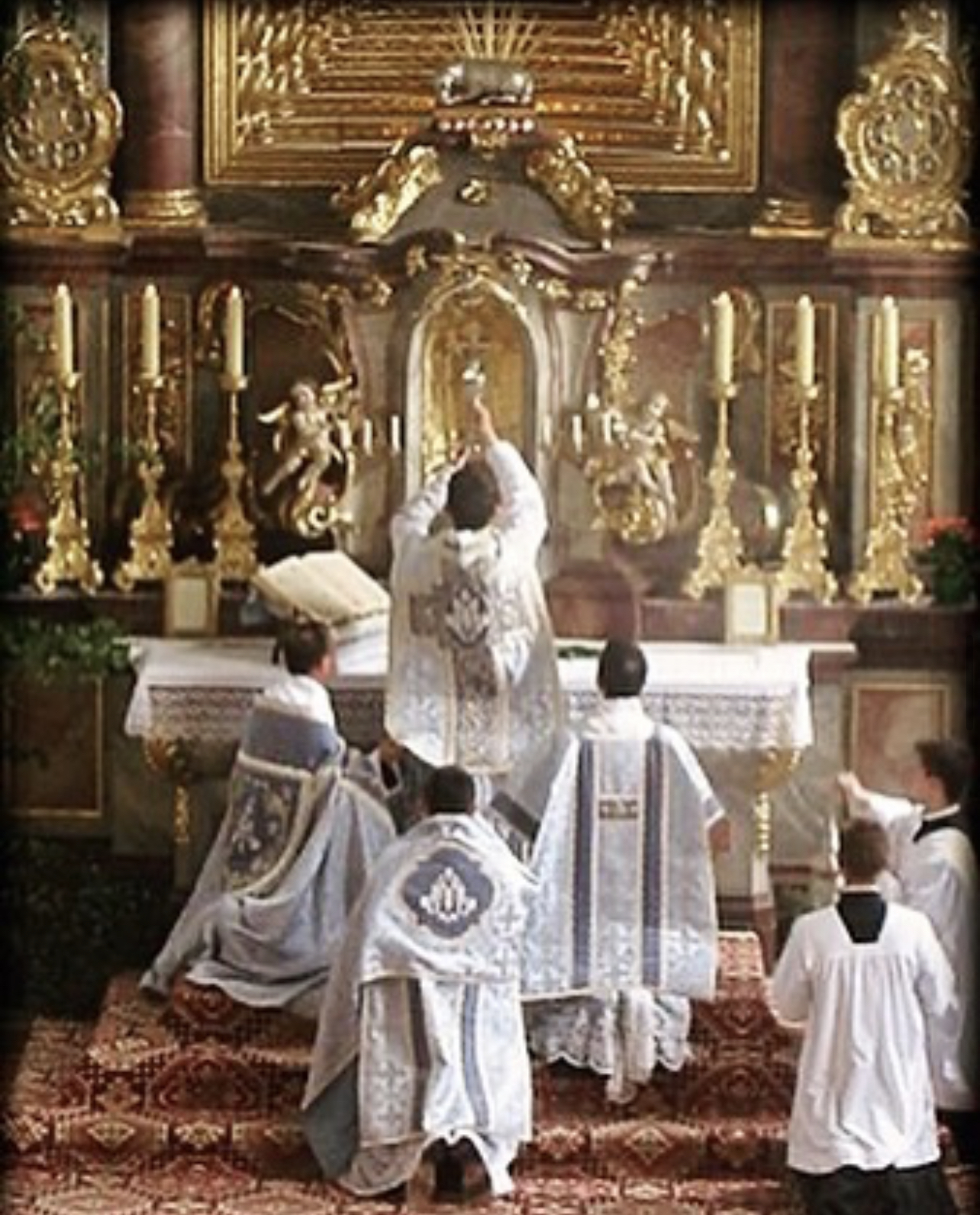
Let us therefore ask our priests to celebrate the Holy Mass as if it was the first and last Mass of their lives, to do away with these worldly rites, and to give back to us the treasure that they stubbornly keep hidden. Let us not forget to give material and spiritual help to priests who courageously and consistently celebrate the traditional liturgy, remembering that one day soon they will be the ones to rebuild the fabric that will restore Christian society. And if we ourselves cannot assist with regularity at the Holy Sacrifice in the rite handed down to us by the Apostles, let us keep our distance from those who profane the Blessed Sacrament and use the pulpit to corrupt Faith and Morals. I would like to reiterate, however, out of a duty of conscience, that wherever it is possible to assist at the Tridentine Mass without serious inconvenience, this must certainly be preferred to the reformed Mass.”

Easter Greetings

April 4, 2021 by Lena {JOYfilledfamily} Filed Under: Easter, Family Easter Leave a Comment


Surrexit Dominus vere, alleluia!

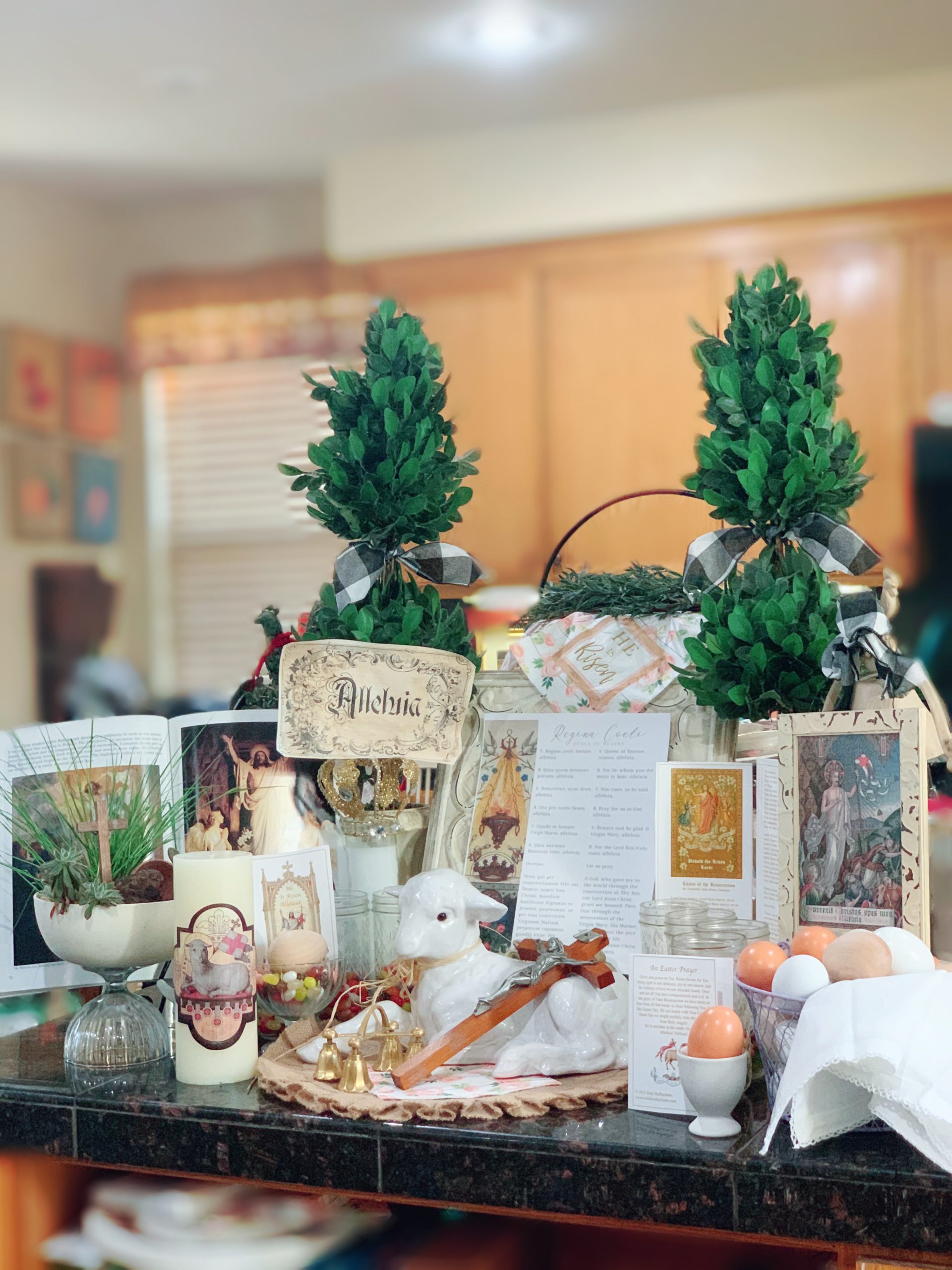
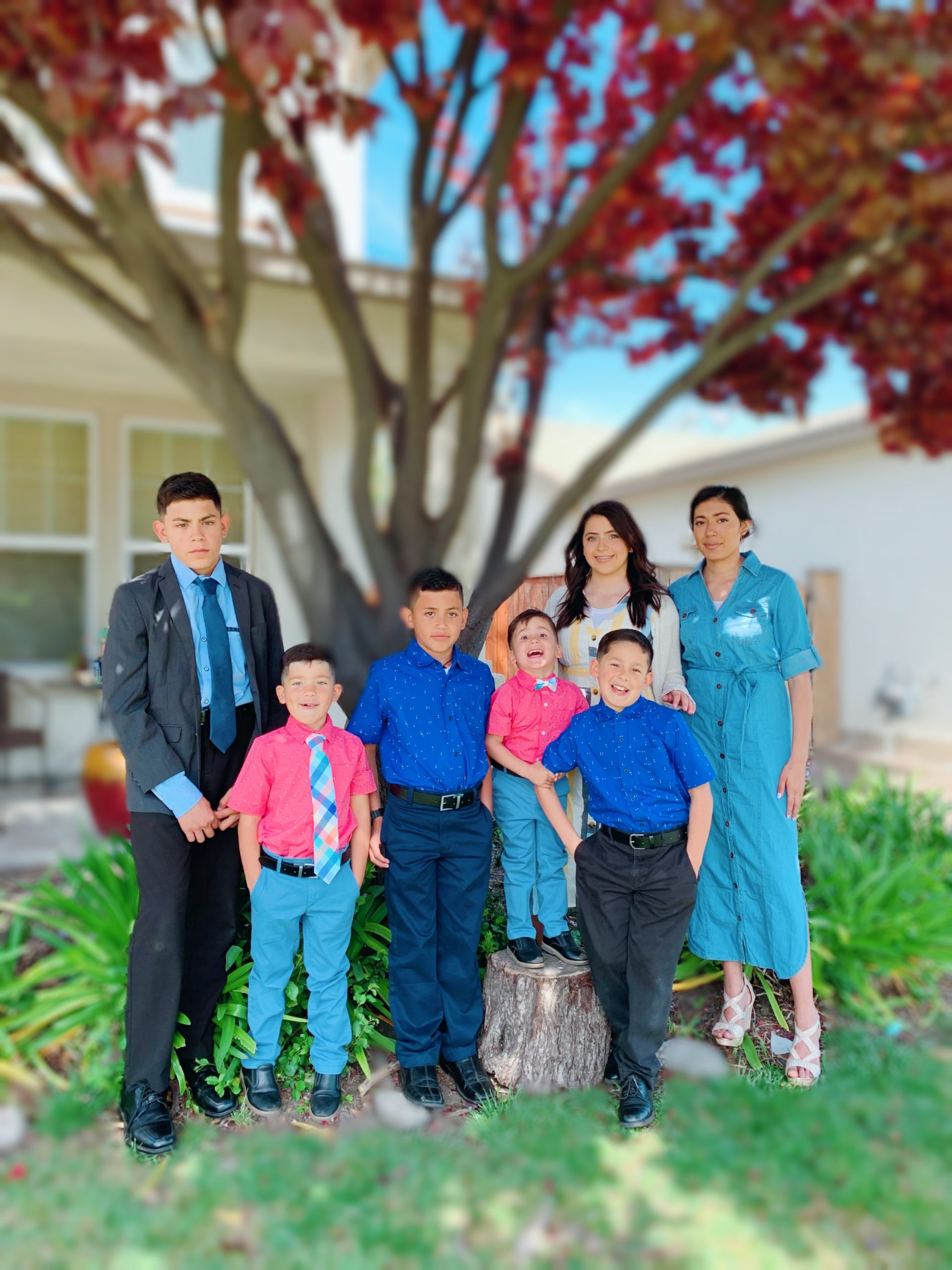
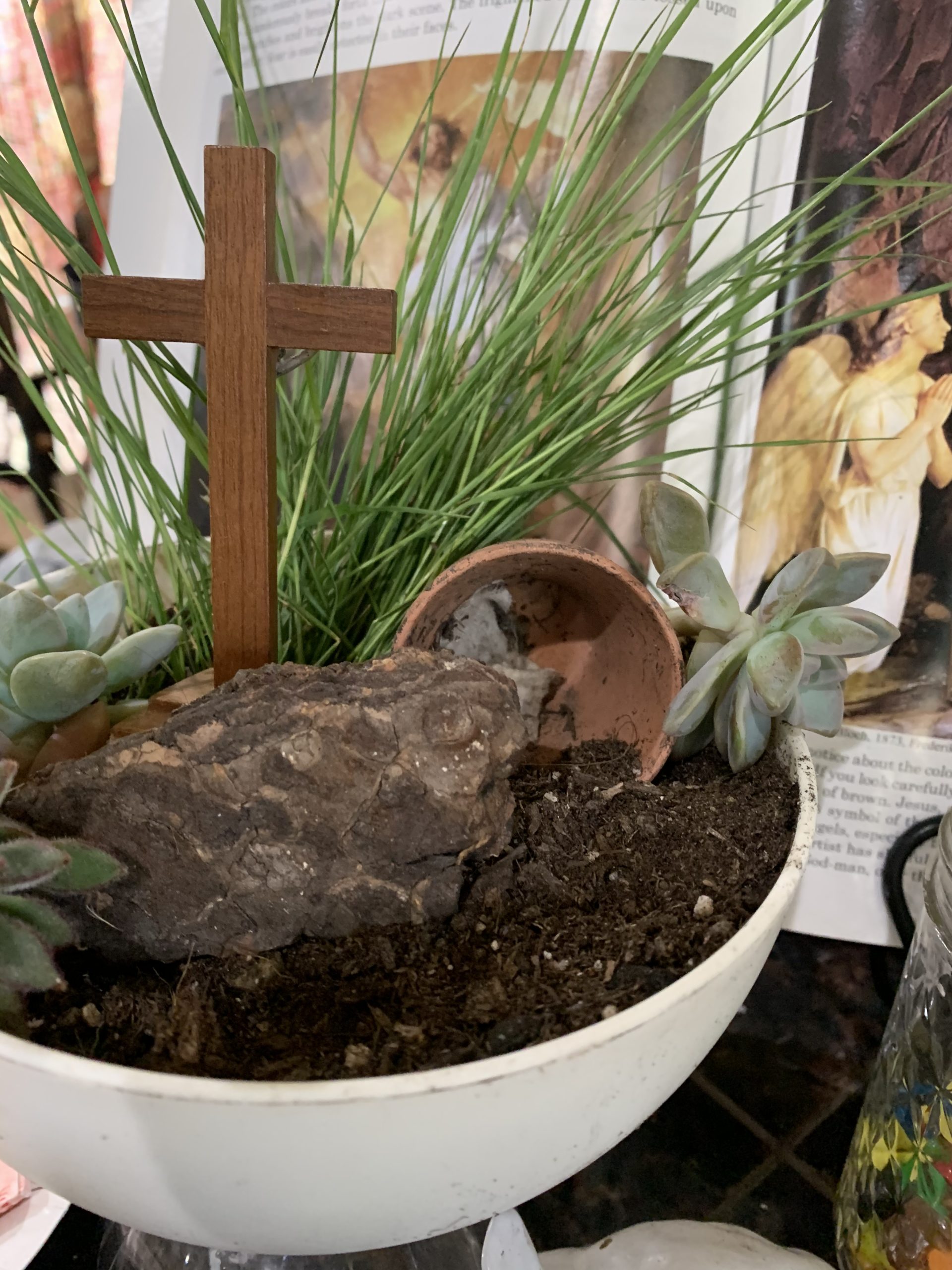
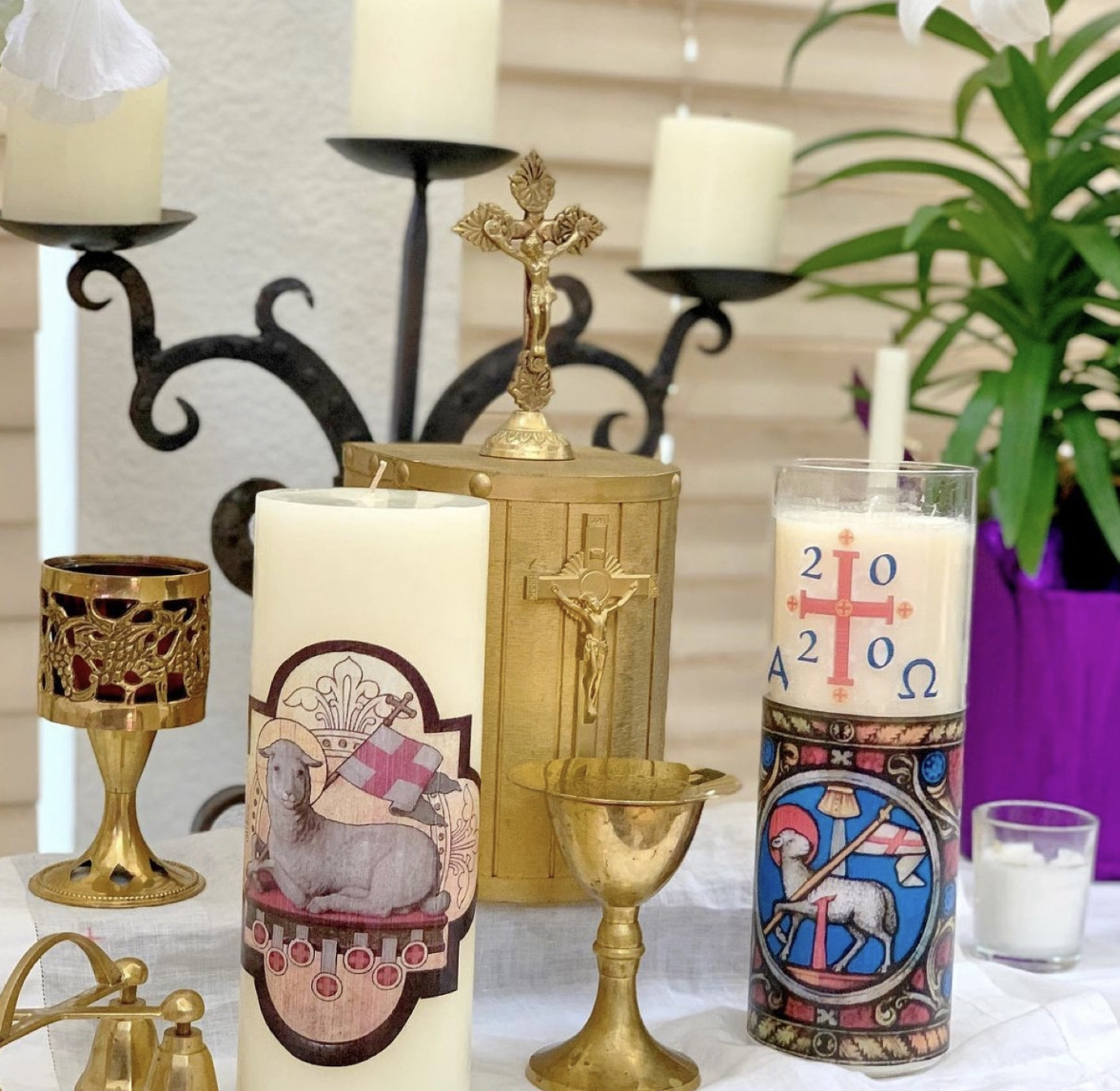
We have made things pretty, are rejoicing, and enjoying some goodies. But we ultimately seek to keep the spirit of Easter.

We pray to make this brief time, here in the vale of tears, fruitful. We pray that His joy and hope of Easter remind us always of Our Lord’s desire that we remain united to Him here on earth & in heaven. May we take this responsibility seriously, celebrate this season properly, and look forward to the day when all sorrows shall end!

Easter 2021

St. John Chrysostom, in his famous Easter sermon, teaches us something of the true spirit of Easter:

“…Let all partake of the feast of faith. Let all receive the riches of goodness;
Let no one lament their poverty, for the universal kingdom has been revealed;
Let no one mourn their transgressions, for pardon has dawned from the grave;
Let no one fear death, for the Savior’s death has set us free.

O death, where is thy sting
O Hades, where is thy victory?

Christ is risen, and you are overthrown!
Christ is risen, and the demons are fallen!
Christ is risen, and the angels rejoice!
Christ is risen, and life reigns!
Christ is risen, and not one dead remains in a tomb!”

➕

Easter Vigil. 8 Hours (not including the yard work that Dad and the boys did at church in the morning) — left at 2pm for Church, the sacred ceremonies started at 6.

🔥 THE NEW FIRE & THE GRAINS OF INCENSE

🕯 THE PASCHAL CANDLE

📖 THE (TWELVE) PROPHECIES

🎶 THE LITANY

➕THE MASS

With no real pictures to share of the Easter Vigil and the glorious sacred ceremonies, I leave you with a blessed jubilation out of the mouth of a babe (post-Communion).

Our little one could not contain his joy! We cherish the “A” word in our home and it is a sweet consolation to see that he has a growing devotion to it as well.

The Alleluia, which means “Praise God”, is a song of jubilation and is repeated six times (in the Easter Vigil), to give praise to each of the Three Divine Persons, first by the Celebrant and then by the people. The reason for such joy is shown in the verse Confitémini which follows the Alleuia.

Ps. 117,1 Confitémini Dómino, quó- niam bonus: quóniam in sæculum mi- sericórdia eius.

V. Ps. 117,1 Give praise to the Lord, for He is good: for His mercy endureth for ever.

Here is a brief commentary on the Easter Vigil:

The Easter Vigil is the symbol of the expectation of the Divine Judge. He has warned us that he will come as a thief in the night, and since the most important affair of our life is at stake – our eternal salvation – no precaution is to be considered excessive when it comes to disposing us to that tremendous instant on which our eternity depends. The ancients, during the Easter Vigil, awaited the fulfillment of the longed for parousia of the Redeemer.

We know nothing about the time when it will come; we only know that it will come when we least expect it. Though it is not only the parousia that is sudden; during a Christian’s day, Jesus comes to us so many times, suddenly, with His graces: what misery to let them go unnoticed! They pass and do not return. A grace that God offers us today, and which we allow to go to waste, will be like a precious treasure that – because of our lack of response – is lost forever.➕

Alleluia!!

May the Resurrection of Our Lord give us special graces to see, to judge, and to act as He expects in this present-day Passion of Holy Mother Church. ➕

Holy Saturday

April 3, 2021 by Lena {JOYfilledfamily} Filed Under: Fr. Leonard Goffine, Holy Saturday, Holy Week, Sacred Triduum, The Church’s Year Leave a Comment


Below is Instruction on Holy Saturday from Fr. Leonard Goffine, The Church’s Year.

INSTRUCTION ON HOLY SATURDAY

Why is this day called Holy Saturday?

Because on this day Jesus, the Holy of holies, rested in the sepulchre, and because the Church today blesses the new fire, the Easter candle, and the baptismal water.

Why is fire struck anew, blessed, and the lamps and candles in the Church lighted from it?

In ancient times it was customary to strike a new fire every day, bless it, and light the candles from it, and later this was done every Saturday; in the eleventh century this ceremony was restricted to Holy Saturday. The fire is struck from a stone to indicate, that Christ is the light of the world, and the Stone which the Jews rejected has now become the Corner stone of His Church; (Ps. CXVII. 22.) that the divine Son, the light of the world, was apparently extinguished at His death, but at His resurrection shone anew; that all those who witness this ceremony today be spiritually enlightened hereafter. This fire is blessed, because the Church blesses every thing that is used for divine service, and because the light and fire represent Christ, who brought the fire of love upon earth with which to enkindle our hearts. Luke XII. 49.)


What is represented by the triple candle?

The triple candle represents the most Holy Trinity of which the second Divine Person came down upon the earth as the true light. For this reason the priest (or deacon) sings at the lighting of each candle: Lumen Christi, Light of Christ, and kneeling, three times humbly adores the Triune Deity, and especially Christ the true, divine Light. The chanter responds Deo gratias, Thanks be to God.


What does the Easter candle signify?

It is an emblem of Christ who has risen from death. Christ the true Light leads us from the bondage of Satan into the freedom of the children of God as the pillar of fire led the children of Israel out of the bondage of Egypt. The five holes in the candle represent the five wounds of Jesus by which mankind was healed, (I Pet. II. 24,) and the five grains of frankincense signify the spices with which the body of our Lord was embalmed.


Why are all the candles and lamps lighted from the triple candle?

To show that Christ was begotten by the Father of Light from all eternity, and is therefore true God from true God, true Light from true Light, from whom enlightenment is diffused over all men. (II Cor. IV, 6.)


To what do the twelve prophecies refer which are read before the blessing of the baptismal font?

They have reference to Christ in whom the predictions contained therein were verified. The number corresponds to the twelve apostles, who announced their fulfillment to the world.


Why is the baptismal water blessed with so many ceremonies, and what is its signification?

The baptismal water is blessed with so many ceremonies that a different effects of baptism may be shown, and that the holy Sacrament may be administered and received with more reverence and devotion; it signifies the blood of Christ by which our souls are purified.


What is the meaning of these ceremonies?

The priest with his hand parts the water in the form of the cross, to illustrate that God gives to it the virtue of regenerating all those born in original sin, making them children of God through Christ who died on the cross. He touches the surface of the water with the palm of his hand, to show that the Holy Ghost is over this water as at the creation, and bestows many graces on those who are baptized. He blesses it, signing it three times with the sign of the cross, because the water receives its sin-cleansing power only through the sufferings and the merits of Christ, from the Father, by the cooperation of the Holy Ghost. The baptismal water is thrown by the priest towards the four parts of the earth, because the grace of baptism should reach all nations. The priest breathes on the water three times in the form of a cross, as the Creator breathed into man the breath of life; Christ breathed upon the apostles the divine Spirit who by His grace and power revives and sanctifies those who are baptized. The Easter candle, (emblem of Christ, risen from the dead) is dipped three times into the water each time deeper, to show that the baptized should become more and more enlightened through the light of Christ’s doctrine, more and more penetrated by, its divinity, more and more purified from sin. The people are sprinkled with this water to remind all those present who have received sanctification in baptism, and have lost it by sin, that they should strive to regain it by true repentance. Finally, oi1 and chrism are mixed with the water as a sign that the grace of the Holy Ghost of which these are figures, is given through the water to those who receive this Sacrament; and also, that the baptized should, after baptism, devote themselves to the service of Christ, the Anointed One, and unite themselves in love to Him.


Why is the baptismal water blessed only on this day and on the Saturday before Pentecost?

Because in early times converts were baptized only on these days; and because the risen Saviour is the example of a soul sanctified by the Holy Ghost in baptism.


How should we assist at the blessing of the baptismal water?

With sentiments of sincere gratitude for the grace of baptism; with the firm resolution of preserving our baptismal innocence, or if we have lost it, of gaining it by penance. We should renew our baptismal vows especially on this day by saying the apostle’s creed, making acts of faith, hope, love, and contrition; and renounce anew the devil, all his pride, and all his suggestions.


Why does the priest prostrate himself after blessing the baptismal water, and rise again after the litany of the saints has been chanted?

To most humbly ask God, by the intercession of the saints, that He would give to all men the grace of baptism, that as all men have been dead and buried in sin, so they may rise with Christ as new creatures to grace and eternal life.


Why are the altars decorated on this day?                                                    

Because the Church, the beloved bride of Christ, desires to announce in advance to her children the glad tidings, that the Lord has risen from the dead; she decorates herself therefore, and causes the bells to peal and joyous hymns, to resound. It also has reference to the glorious, incorruptible body with which Christ adorned Himself at His Resurrection.


Why is there no Introit in this day’s Mass?

The Introit of the Mass was formerly an entire psalm which was sung while the people were assembling in church; but as in early times the people on Easter were already assembled to assist at the ceremonies, no Introit was sung at the Mass. The Church observes the same practice, although she abolished the night vigils on account of the abuses to which they gave rise.

COLLECT O God, who makest this most sacred night illustrious by the glory of the Resurrection of our Lord, preserve in the new offspring of Thy family the spirit of adoption, which Thou hast given them; that being renewed in body and soul, they may serve Thee with purity of heart. Thro’ the same &c.

EPISTLE (Coloss. III. 1-4.) Brethren: If you be risen with Christ, seek the things that are above, where Christ is sitting at the right hand of God: mind the things that are above, not the things that are on the earth. For you are dead, and your life is hidden with Christ in God. When Christ shall appear, who is your life, then shall you appear with him in glory.

After the epistle the priest sings three times: Alleluia as a joyful exclamation over the Redeemer’s triumphant victory. 

EXLANATION St. Paul places Christ’s, resurrection before us as the example and, motive of the spiritual resurrection from sin, which should be effected m us by the holy Sacraments at Easter. With Christ we should die to the world, and live hidden in Him, if we desire to rise at the Last Day with Him in glory, and be acknowledged before all men by Him as His own.

GOSPEL (Matt. XXVIII, 1-7,) , In the end of the Sabbath, when it began to dawn towards the first day of the week,came Mary Magdalen, and the other Mary, to view the sepulchre. And behold there was a great earthquake. For an angel of the Lord descended from heaven: and coming, rolled back the stone, and sat upon it. And his countenance was as lightning, and his raiment as snow. And for fear of him, the guards were struck with terror, and became as dead men. And the angel answering, said to the women: Fear not you: for I know that you seek Jesus, who was crucified. He is not here, for he is risen, as he said. Come, and see the place where the Lord was laid. And going quickly, tell ye his disciples that he is risen: and behold, he will go before you into Galilee; there you shall see him. Lo, I have foretold it to you.


What are we to learn from this gospel?

That we, too, will receive the plenitude of divine grace and heavenly blessings, if like these pious women we seek Christ early, that is, by making a , good intention before we begin our work.


Why is there no Credo or Agnus Dei said, nor the kiss of peace given, and why are short vespers said after communion?

Formerly, the Credo or confession of faith was said by the newly baptized, the Agnus Dei was sung in the litany of .the saints, and these are therefore omitted in the Mass. The kiss of peace is, not given, because Christ had not yet said to His disciples, Peace be with you. Short vespers are said after the priest’s communion, because this day, is a type of the eternal Sabbath in heaven which has no vespers, that is, evening. 

Do not omit on this day to thank our Lord for the many graces He has given us through His passion and death. If in the evening the solemn ceremonies of the resurrection are held, assist at them and there make the repeated resolution to rise from the sleep of sin and begin a new life with Christ.

  • « Previous Page
  • 1
  • …
  • 47
  • 48
  • 49
  • 50
  • 51
  • …
  • 233
  • Next Page »

Hi! I'm Lena, mama of JOYfilledfamily.
We are a traditional Catholic family striving to live for Jesus Christ in everything we do. We pray to completely surrender our will to His and to become His servants. Our mission of this blog is to share our JOY.

This blog serves as a journal of us making good memories, living the liturgical year, and our spiritual journey.

Subscribe to our Newsletter

  • Home
  • About
  • Blog

Copyright © 2026 swank WordPress Theme <a PDCD